Navigating Recreational Cannabis Laws California
recreational cannabis laws California

Navigating Recreational Cannabis Laws California

Your definitive guide to understanding California's adult-use cannabis regulations, ensuring compliance and safe enjoyment.

Explore the Laws

Key Takeaways

  • ✓ Adults 21+ can possess up to 1 ounce (28.5 grams) of cannabis flower or 8 grams of concentrated cannabis.
  • ✓ Individuals can cultivate up to six cannabis plants at home for personal use.
  • ✓ Cannabis consumption is generally prohibited in public places, including federal lands, and within 1,000 feet of schools or youth centers.
  • ✓ Driving under the influence of cannabis is illegal and carries severe penalties.
  • ✓ Local jurisdictions have significant power to regulate or ban commercial cannabis activities within their borders.

How It Works

1
Understand Age Requirements

Ensure you are 21 years or older to legally purchase, possess, or consume recreational cannabis in California. Proof of age is required at dispensaries.

2
Know Possession Limits

Familiarize yourself with the maximum amounts of cannabis flower and concentrates you can legally possess. Exceeding these limits can lead to legal consequences.

3
Identify Legal Consumption Zones

Be aware that public consumption is largely prohibited. Consume cannabis in private residences or licensed consumption lounges where available.

4
Comply with Cultivation Rules

If growing at home, understand the six-plant limit per residence and ensure plants are not visible to the public. Local ordinances may add further restrictions.

The Evolution of California Cannabis Regulations

Captivating view of the California State Capitol amidst lush greenery under a clear sky. Photo: Vitaliy Haiduk / Pexels
California has long been at the forefront of cannabis policy, initiating medical marijuana laws with Proposition 215 in 1996. This landmark decision paved the way for patients to legally access cannabis for therapeutic purposes, establishing a framework that would influence state legislation nationwide. However, the landscape dramatically shifted with the passage of Proposition 64, the Adult Use of Marijuana Act (AUMA), in November 2016. This historic vote legalized recreational cannabis for adults 21 and older, fundamentally reshaping the state's approach to cannabis. The AUMA created a comprehensive regulatory system designed to control and tax the cultivation, manufacture, distribution, and sale of non-medical cannabis. It aimed to transition the largely unregulated medical market and the illicit market into a strictly regulated and taxed industry, promising public safety, consumer protection, and significant tax revenue. The implementation of Proposition 64 was not without its complexities. It required the establishment of several state agencies, including the Bureau of Cannabis Control (BCC), the California Department of Food and Agriculture (CDFA) for cultivation, and the California Department of Public Health (CDPH) for manufacturing, to develop and enforce a myriad of regulations. These regulations cover everything from licensing requirements for businesses to product testing, packaging, labeling, and advertising standards. The goal was to ensure that all cannabis products sold in the recreational market are safe, accurately labeled, and produced by licensed entities operating within strict guidelines. Understanding this historical progression is crucial for comprehending the current state of recreational cannabis laws in California. It highlights a deliberate move towards a more controlled and transparent market, balancing individual freedoms with public health and safety concerns. The initial rollout faced challenges, including a slower-than-anticipated transition from the black market, high taxes, and a complex licensing process. However, the state has continuously refined its approach, demonstrating a commitment to adapting and improving the regulatory framework. For consumers and businesses alike, staying informed about these evolving regulations is paramount to operating within the bounds of the law and contributing to a responsible cannabis industry. The journey from medical-only to full adult-use has been a long and intricate one, reflecting California's pioneering spirit in cannabis reform.

What You Can and Cannot Do: Possession and Consumption Limits

A cannabis leaf with the word 'cannabis' spelled out in letter tiles on a beige background. Photo: Alesia Kozik / Pexels
For adults 21 years of age and older, California's recreational cannabis laws clearly define what is permissible regarding possession and consumption. Understanding these limits is crucial to avoid legal issues. You are legally allowed to possess up to 1 ounce (28.5 grams) of non-concentrated cannabis, which typically refers to dried flower. For concentrated cannabis products, such as oils, waxes, or edibles, the limit is 8 grams. These limits apply to personal possession, whether you're carrying it on your person, in your vehicle, or storing it at home. It's important to note that these limits are per individual, not per household, but pooling quantities to exceed individual limits is not permitted. When it comes to consumption, the rules are more restrictive. While legal to consume, it is generally prohibited in public places. This includes parks, sidewalks, restaurants, bars, and any location where smoking tobacco is illegal. Consumption is also strictly forbidden within 1,000 feet of schools, daycares, or youth centers while children are present. The intent here is to protect minors from exposure. The most common and legally safest place to consume recreational cannabis is within a private residence, out of public view. Some cities and counties have also established licensed cannabis consumption lounges, offering a legal public space for adult-use. However, these are not universally available and specific rules apply. It's critical to be aware of local ordinances, as they can impose additional restrictions beyond state law. For example, some municipalities have stricter rules on home cultivation visibility or have banned delivery services. Furthermore, consuming cannabis in a vehicle, whether driving or as a passenger, is illegal, similar to open container laws for alcohol. Driving under the influence of cannabis is a serious offense, carrying penalties comparable to DUI alcohol offenses, including fines, license suspension, and potential jail time. Even if you're not driving, having an open container of cannabis in your vehicle is prohibited unless it's in the trunk or a locked compartment inaccessible to the driver or passengers. The state aims to balance adult access with public safety and responsible use, making these possession and consumption limits foundational to the recreational cannabis framework.

Home Cultivation and Local Control: Key Nuances
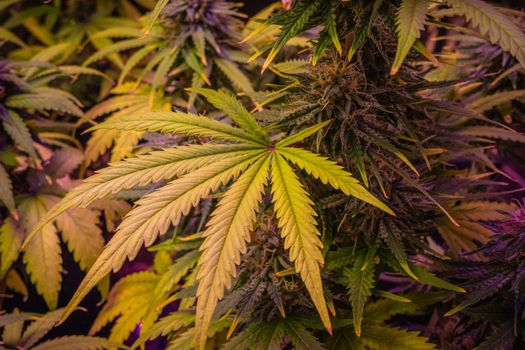
Close-up view of lush cannabis plants showcasing detailed leaves and buds. Photo: Keloke Grow / Pexels
Beyond possession and consumption, California's recreational cannabis laws also permit adults 21 and older to cultivate cannabis at home for personal use. This right, enshrined in Proposition 64, allows individuals to grow up to six cannabis plants per private residence. It's important to emphasize 'per private residence,' meaning that even if multiple adults reside in the same home, the limit remains six plants for the entire property, not six plants per person. These plants must be grown in a locked area, not visible from a public place. This provision aims to prevent public nuisance and unauthorized access, particularly by minors. Indoor cultivation is often preferred as it allows for better control over environmental factors and ensures privacy. If cultivating outdoors, ensure your plants are fully enclosed and shielded from public view. Local jurisdictions, however, play a significant role in further shaping these cultivation rules. While the state sets the baseline, cities and counties have the authority to enact stricter ordinances regarding home cultivation. Some may require permits, impose additional setback requirements from property lines, or even ban outdoor cultivation entirely, allowing only indoor grows. This concept of 'local control' is a cornerstone of California's cannabis regulatory framework, extending far beyond home cultivation. Local governments have the power to regulate or even ban commercial cannabis activities, including dispensaries, cultivation sites, manufacturing facilities, and delivery services, within their municipal boundaries. This means that while cannabis is legal statewide, access to commercial dispensaries or delivery services can vary dramatically from one city to another. Many cities have opted to embrace the cannabis industry, implementing local licensing procedures that complement state licenses. Others have chosen to prohibit commercial operations entirely, citing concerns about public safety, community character, or traffic. This patchwork of local regulations creates a complex landscape for both consumers seeking to purchase cannabis and businesses looking to operate. Before engaging in any cannabis-related activity, whether buying, consuming, or cultivating, it is always advisable to check the specific ordinances of your local city and county in addition to state law. Resources like local government websites or cannabis advocacy groups can provide up-to-date information on these local nuances. Understanding the interplay between state and local regulations is crucial for anyone navigating the recreational cannabis market in California, ensuring compliance and preventing unintended legal issues. This dual regulatory system is a defining characteristic of California's approach to cannabis legalization, empowering communities to tailor policies to their unique needs and preferences.

Avoiding Common Pitfalls: Tips and Mistakes to Steer Clear Of
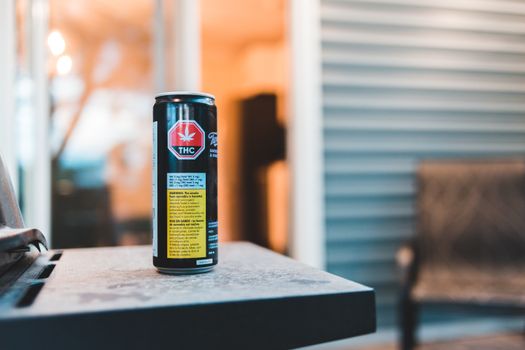
Colorful can of cannabis drink with text and image on shiny surface in building Photo: Erik Mclean / Pexels
Navigating recreational cannabis laws in California can be straightforward if you're aware of the common mistakes and pitfalls. Adhering to these guidelines will ensure you enjoy cannabis legally and responsibly. **Tips for Compliance:** * **Always Carry ID:** Even if you look over 21, dispensaries and law enforcement will require valid government-issued identification to verify your age. Keep it with you when purchasing or consuming. * **Purchase from Licensed Retailers:** Only buy cannabis products from state-licensed dispensaries or delivery services. Licensed businesses ensure products are tested, safe, and compliant with all state regulations. Unlicensed sellers operate illegally and often sell untested, potentially contaminated products. * **Understand Product Labeling:** Licensed products will have detailed labels indicating THC/CBD content, net weight, ingredients, and warnings. Read these carefully, especially for edibles, to manage your dosage and avoid overconsumption. * **Store Safely:** Keep cannabis products in child-resistant packaging and out of reach of children and pets. This is not just a safety measure but often a legal requirement, especially if you have minors in your household. * **Be Mindful of Federal Land:** Remember that cannabis remains illegal under federal law. This means you cannot possess, use, or transport cannabis on federal property, including national parks, national forests, and federal buildings, even if you are within California. **Mistakes to Avoid:** * **Driving Under the Influence (DUI):** Never operate a vehicle, boat, or aircraft while impaired by cannabis. California has strict DUI laws for cannabis, and impairment can be measured through various means. Designate a sober driver or use ride-sharing services. * **Public Consumption:** Do not consume cannabis in public places. This includes smoking, vaping, or consuming edibles in parks, on sidewalks, at beaches, or in most entertainment venues. Stick to private residences or licensed consumption lounges. * **Transporting Cannabis Across State Lines:** It is illegal to transport cannabis across state lines, even if both states have legalized it. Federal law prohibits interstate cannabis commerce. * **Selling Without a License:** Do not engage in the sale or distribution of cannabis without the appropriate state and local licenses. This is a serious felony offense. * **Exceeding Cultivation Limits:** Growing more than six plants per residence, or growing them in public view, can lead to fines and legal action. Always ensure your home grow complies with both state and local rules. By staying informed and exercising caution, you can navigate California's recreational cannabis landscape safely and within legal bounds, contributing to the responsible use of this legal substance.

Comparison

FeatureCalifornia Recreational LawCalifornia Medical LawFederal Law
Age Requirement21+18+ with Doctor's RecommendationIllegal (No Age Distinction)
Possession Limit (Flower)1 oz (28.5g)8 oz (226.8g) or as recommended by doctorIllegal
Home Cultivation6 plants per residenceUp to 12 mature / 24 immature plants (or as recommended)Illegal
Public Consumption

What Readers Say

"This guide on recreational cannabis laws California was incredibly helpful! I was confused about possession limits and public consumption rules, but now I feel much more confident about staying compliant. A must-read for any CA cannabis user."

Sarah J. · Los Angeles, CA

"As a new resident, understanding California's cannabis laws seemed daunting. This article broke down the recreational cannabis laws California so clearly, especially the local control aspect. It saved me a lot of research time."

Michael D. · San Francisco, CA

"I often wondered about the legality of home cultivation. This guide explained the six-plant limit and local ordinances perfectly. Now I can confidently grow my own without worrying about breaking the recreational cannabis laws California."

Elena R. · San Diego, CA

"While very thorough, I wish there was a bit more detail on specific city regulations for consumption lounges, as they vary so much. However, the overall breakdown of recreational cannabis laws California is excellent and highly informative."

David L. · Sacramento, CA

"The section on common pitfalls was a lifesaver! I almost made the mistake of thinking I could consume cannabis at a public park. Thanks to this article on recreational cannabis laws California, I avoided a potential legal issue."

Jessica M. · Oakland, CA

Frequently Asked Questions

Can I consume recreational cannabis anywhere in California?

No, while recreational cannabis is legal for adults 21+, consumption is generally prohibited in public places, including sidewalks, parks, and federal lands. It is best to consume in a private residence or a licensed cannabis consumption lounge where available.

Is it safe to buy cannabis from anywhere if I'm in California?

To ensure safety and legality, you should only purchase cannabis from state-licensed dispensaries or delivery services. Unlicensed sellers often provide untested products that may contain harmful contaminants and operate outside the legal framework.

How do I know if a dispensary is licensed in California?

Licensed dispensaries in California will typically display their state license prominently. You can also verify a dispensary's license status by checking the California Department of Cannabis Control (DCC) website, which lists all active licensed businesses.

What are the tax rates for recreational cannabis in California?

Recreational cannabis in California is subject to several taxes, including a state excise tax (currently 15% of the average market price), a cultivation tax (per ounce), and local sales taxes. These taxes can vary by jurisdiction, so check local rates.

How do California's recreational cannabis laws compare to medical cannabis laws?

Recreational laws are for adults 21+ with specific possession and cultivation limits. Medical cannabis laws (for 18+ with a doctor's recommendation) often allow for higher possession limits and cultivation numbers, depending on medical need, and may have different tax structures.

Who should be particularly careful about recreational cannabis laws in California?

Individuals under 21, those traveling from out of state, anyone living near federal property, and commercial drivers should pay extra attention to California's recreational cannabis laws to avoid legal complications.

Are there any health risks associated with recreational cannabis that I should be aware of?

While legal, cannabis use carries potential health risks, including impaired judgment, respiratory issues if smoked, and potential for dependence. It's important to consume responsibly, in moderation, and be aware of your personal health conditions and reactions. Consult a doctor if you have concerns.

What future changes might we see in California's recreational cannabis laws?

California's cannabis laws are continuously evolving. Future changes might include adjustments to tax structures, increased enforcement against the illicit market, expansion of consumption lounge options, or further refinements to cultivation and licensing processes as the industry matures and new data emerges.

Understanding the nuances of recreational cannabis laws in California is essential for safe, legal, and responsible enjoyment. By staying informed about possession limits, consumption rules, and local regulations, you can confidently navigate the Golden State's cannabis landscape. Explore these guidelines thoroughly to ensure your experience is always within the bounds of the law.

Topics: recreational cannabis laws CaliforniaCalifornia cannabis regulationsadult-use marijuana CAcannabis possession limits Californiacannabis cultivation laws California
Leo List

DK Escorts LU Escorts AT Escorts SE Escorts FI Escorts CH Escorts DE Escorts HR Escorts IE Escorts GR Escorts CZ Escorts NO Escorts BE Escorts FR Escorts SI Escorts IL Escorts NL Escorts PL Escorts HU Escorts ES Escorts IT Escorts PT Escorts SK Escorts RO Escorts ZA Escorts UY Escorts US Escorts UK Escorts NZ Escorts AU Escorts
Brampton weed
Adultwork EstrelaBet Vai de Bet R7 Bet Betão Galera Bet Rainbet Bet9ja Shop SportyBet BetKing Sisal Loto Foot Hollywoodbets YesPlay Odibets RushBet Jugabet BetWarrior BetCity MSport betPawa Fortebet