✓ The legal recreational cannabis age in California is 21 years old.
✓ A valid, government-issued photo ID is required for purchase.
✓ Cannabis consumption is generally prohibited in public places.
✓ Possession limits for recreational cannabis are 28.5 grams of flower and 8 grams of concentrate.
How It Works
1
Verify Your Age
Ensure you are at least 21 years old with a valid government-issued ID. This is the fundamental requirement for purchasing recreational cannabis in California.
2
Locate a Licensed Dispensary
Find a state-licensed cannabis dispensary in California. Unlicensed retailers operate illegally and should be avoided for safety and legal compliance.
3
Understand Purchase Limits
Familiarize yourself with the legal purchase and possession limits. Adhering to these limits prevents legal issues and ensures responsible consumption.
4
Consume Responsibly and Legally
Consume cannabis in private, legal spaces, avoiding public areas and driving under the influence. Awareness of consumption laws is crucial for a positive experience.
Understanding the Legal Recreational Cannabis Age in California
Photo: Kampus Production / Pexels
California has long been at the forefront of cannabis reform, culminating in the passage of Proposition 64, the Adult Use of Marijuana Act, in 2016. This landmark legislation fundamentally reshaped the landscape of cannabis access, making it legal for adults aged 21 and over to purchase, possess, and consume cannabis for recreational purposes. Prior to this, medical cannabis had been legal for many years under Proposition 215, but Prop 64 ushered in a new era of broader access, positioning California as a global leader in the adult-use market. The 21-year-old age requirement mirrors that of alcohol consumption, a deliberate choice by lawmakers to align regulatory frameworks and promote responsible use. This age limit is strictly enforced across all licensed dispensaries and delivery services throughout the state. Any individual attempting to purchase cannabis who cannot produce a valid, government-issued identification proving they are 21 or older will be denied service. This includes driver's licenses, state ID cards, military IDs, and passports. It’s not just about purchasing; the age restriction extends to consumption as well. If you are under 21, even if you are gifted cannabis, consuming it recreationally is still against the law. The state’s robust regulatory body, the Department of Cannabis Control (DCC), oversees all aspects of the industry, from cultivation and manufacturing to distribution and retail. Their strict oversight ensures that all licensed businesses comply with the age verification mandate, among numerous other safety and quality standards. For consumers, this means a reliable and safe product supply, but it also means an unwavering commitment to age verification. Understanding this foundational element of California's cannabis law is the first step towards navigating the market legally and responsibly. It’s also crucial to distinguish between recreational and medical cannabis. While the recreational age is 21, qualified patients with a valid medical cannabis recommendation can access cannabis at 18 years old. This distinction is vital for those seeking cannabis for health-related purposes. The legal framework is designed to protect minors and ensure that adult-use cannabis remains strictly for adults, minimizing potential societal harms while maximizing adult freedoms. For more detailed information on the legal aspects, you can explore resources on California cannabis laws directly from state government websites.
Navigating Licensed Dispensaries and Purchase Limits in California
Photo: RDNE Stock project / Pexels
Once you've confirmed you meet the recreational cannabis age in California, the next step is to understand where and how you can legally purchase cannabis. California boasts a vast network of licensed dispensaries, both brick-and-mortar retail locations and online delivery services. It is paramount to only purchase cannabis from businesses holding a current state license. Unlicensed operations are not subject to the strict testing and safety regulations imposed by the Department of Cannabis Control (DCC), meaning their products could be contaminated, mislabeled, or unsafe. You can typically verify a dispensary's license by looking for their state license number, which should be prominently displayed in-store or on their website. Many cities and counties also have their own local licensing requirements, so a business might have both a state and local license. When you enter a licensed dispensary, you'll be asked to show your valid government-issued ID to verify your age. This is a standard procedure and a legal requirement for all dispensaries. Once inside, you'll find a wide array of cannabis products, including flower, concentrates, edibles, tinctures, topicals, and more. Each product category has specific purchase and possession limits that consumers must adhere to. For recreational users aged 21 and over, the general limits are: 28.5 grams (one ounce) of non-concentrated cannabis (i.e., flower) and 8 grams of concentrated cannabis (including edibles, vapes, and other concentrates). These limits apply per transaction and per person. Exceeding these limits, even by a small amount, can lead to legal penalties, ranging from fines to more severe charges depending on the quantity. It's important to note that these limits are for personal use; selling or distributing cannabis without a license is strictly illegal. Dispensary staff are usually well-versed in these regulations and can help guide you through the purchasing process, ensuring you stay within legal boundaries. Don't hesitate to ask them questions if you are unsure about any product or limit. They are there to assist you in making informed and compliant purchases. Many dispensaries also offer educational materials to help consumers understand different product types, consumption methods, and responsible use guidelines, further empowering you to make safe choices within the legal framework.
Where You Can and Cannot Consume Recreational Cannabis in California
Photo: RDNE Stock project / Pexels
Meeting the recreational cannabis age in California and purchasing legally are just two parts of the equation; understanding where you can and cannot consume is equally crucial. California's laws are quite clear on consumption locations, prioritizing public safety and minimizing nuisance. The general rule of thumb is that cannabis consumption, whether smoking, vaping, or consuming edibles, is prohibited in public places. This includes parks, sidewalks, restaurants, bars, public transportation, and any location where smoking tobacco is also banned. The intention behind these restrictions is to prevent secondhand smoke exposure and to maintain public order. Violating these public consumption laws can result in fines. The most common and legally permissible place to consume recreational cannabis is in a private residence, assuming the property owner permits it. If you rent, it’s essential to check your lease agreement, as landlords have the right to prohibit cannabis use on their property, similar to how they might restrict smoking tobacco. This also applies to hotels and other temporary lodging; always inquire about their cannabis policies before consuming. Driving under the influence of cannabis is strictly illegal and carries severe penalties, similar to driving under the influence of alcohol. It is never permissible to consume cannabis while driving or riding in a vehicle, whether you are the driver or a passenger. Open containers of cannabis are also prohibited in vehicles, similar to open containers of alcohol. All cannabis products should be stored in a sealed container and out of reach, preferably in the trunk, while in transit. Furthermore, cannabis consumption is banned on federal property, regardless of state laws. This includes national parks, national forests, and other federal lands. Even if you are in California, federal laws supersede state laws on federal property. This is a critical distinction that many visitors, and even residents, sometimes overlook. Some cities and counties in California have begun to permit cannabis consumption lounges or designated areas, offering legal public spaces for adults 21 and over to consume. However, these are not universally available and are subject to local regulations, so it's important to research local ordinances if you plan to visit one. Always prioritize responsible and legal consumption to ensure a positive experience and to avoid legal issues. Understanding these nuances of consumption is just as important as knowing the legal age for cannabis purchase.
Common Mistakes and Tips for Recreational Cannabis Users in CA
Photo: RDNE Stock project / Pexels
Navigating the world of recreational cannabis in California, even for those who meet the recreational cannabis age, can sometimes present pitfalls. Avoiding common mistakes ensures a smoother, more enjoyable, and compliant experience. Here are some key tips and errors to steer clear of:
* **Mistake 1: Not Carrying Valid ID.** Always have your government-issued ID ready, even if you look well over 21. Dispensaries are legally obligated to verify age for every transaction, every time. No ID, no purchase.
* **Mistake 2: Purchasing from Unlicensed Sources.** This is perhaps the most significant mistake. Unlicensed products are unregulated, untested, and potentially dangerous. Always verify a dispensary's license before making a purchase.
* **Mistake 3: Exceeding Purchase/Possession Limits.** Keep track of how much cannabis you buy and possess. Going over the 28.5 grams of flower or 8 grams of concentrate limit can lead to legal trouble.
* **Mistake 4: Public Consumption.** As covered, consuming in public spaces is illegal. This includes parks, beaches, and even sidewalks outside dispensaries. Wait until you are in a private, permissible location.
* **Mistake 5: Driving Under the Influence.** Never drive impaired. Cannabis affects reaction time and judgment. Arrange for a designated driver or use rideshare services if you plan to consume.
* **Mistake 6: Transporting Cannabis Across State Lines.** Even if cannabis is legal in both California and the destination state, transporting it across state lines is a federal offense and highly illegal. Keep your cannabis within California borders.
* **Mistake 7: Not Understanding Edible Dosing.** Edibles can have delayed and intense effects. Start with a low dose (e.g., 2.5mg-5mg THC) and wait at least an hour, preferably two, before consuming more. Overconsumption is a common rookie mistake.
**Tips for a Positive Experience:**
* **Start Low, Go Slow:** Especially with edibles or new strains, begin with a small amount and wait to gauge effects.
* **Ask for Recommendations:** Dispensary staff (budtenders) are knowledgeable. Don't hesitate to ask for product recommendations based on your desired effects.
* **Read Labels Carefully:** Understand the THC/CBD content, terpenes, and other cannabinoids listed on product labels.
* **Store Safely:** Keep cannabis in child-resistant packaging, out of reach of children and pets.
* **Stay Hydrated:** Cannabis can cause dry mouth. Keep water handy.
* **Be Aware of Local Laws:** While state laws are generally consistent, some cities/counties have additional restrictions or allowances (e.g., consumption lounges). Check local ordinances if unsure.
Comparison
Feature
Recreational (Adult Use)
Medical (Patient Use)
Minimum Age
21 years old
18 years old (with valid recommendation)
ID Required
Government-issued photo ID
Government-issued photo ID + physician's recommendation
Purchase Limits (Flower)
28.5 grams (1 ounce)
Up to 8 ounces (with recommendation)
Purchase Limits (Concentrates)
8 grams
Up to 8 grams (with recommendation)
Cultivation at Home
Up to 6 living plants
More than 6 plants if medically necessary
Taxation
Higher sales and excise taxes
Lower sales tax, potential excise tax exemption
Public Consumption
✗
✗
What Readers Say
★★★★★
"Understanding the recreational cannabis age in California was straightforward thanks to this guide. I feel much more confident about making legal purchases and knowing where I can safely consume. It really clarified the 21+ rule."
Sarah J. · Los Angeles, CA
★★★★★
"This article cleared up all my questions about California's cannabis laws, especially the 21-year-old age limit. The section on consumption locations was particularly helpful; I didn't realize federal lands were off-limits."
Mark D. · San Francisco, CA
★★★★★
"As a new resident, I needed to know the recreational cannabis age in California. This guide provided all the essential info, from ID requirements to purchase limits, ensuring I'm fully compliant with the law."
Emily R. · San Diego, CA
★★★★★
"Very comprehensive! While I already knew the basic recreational cannabis age in California, the detailed breakdown of medical vs. recreational differences and the common mistakes section were invaluable. A solid resource."
Alex P. · Sacramento, CA
★★★★★
"Visiting from out of state, I was confused about California's cannabis rules. This article explained the recreational cannabis age in California and other regulations perfectly, making my dispensary visit smooth and stress-free."
Jessica L. · Oakland, CA
Frequently Asked Questions
What is the absolute minimum recreational cannabis age in California?
The absolute minimum recreational cannabis age in California is 21 years old. This is mandated by state law, specifically Proposition 64, and is strictly enforced by all licensed dispensaries and delivery services. You must present a valid, government-issued photo ID to prove your age at the time of purchase and consumption.
Can I use my out-of-state ID to purchase cannabis in California?
Yes, licensed dispensaries in California will accept valid government-issued photo identification from any U.S. state or foreign country, as long as it clearly indicates you are 21 years of age or older. The key is that the ID must be current, legitimate, and clearly display your date of birth.
Are there different age limits for medical cannabis patients in California?
Yes, there is a different age limit for medical cannabis. Qualified patients with a valid physician's recommendation for medical cannabis can legally purchase and consume cannabis at 18 years old. This distinction is crucial and requires proper medical documentation in addition to a valid ID.
How much cannabis can I legally buy at the recreational cannabis age in California?
Adults 21 and over can legally purchase and possess up to 28.5 grams (one ounce) of non-concentrated cannabis (flower) and up to 8 grams of concentrated cannabis (including edibles, vapes, etc.) per day. These limits are strictly enforced to prevent illicit distribution.
Is it legal to consume recreational cannabis in public if I am 21+?
No, even if you meet the recreational cannabis age in California, it is illegal to consume cannabis in public places. This includes parks, sidewalks, restaurants, and any location where tobacco smoking is prohibited. Consumption is generally restricted to private residences where the property owner permits it.
Who should be particularly careful about understanding California's cannabis laws?
Anyone visiting California, new residents, or individuals who are just turning 21 should be particularly careful. The laws can be complex, and understanding details like age limits, public consumption rules, and federal land restrictions is vital to avoid legal issues and ensure a safe experience.
What are the risks of purchasing cannabis from an unlicensed source?
Purchasing from an unlicensed source carries significant risks. Products may not be tested for pesticides, heavy metals, or accurate potency, posing serious health hazards. You also risk legal penalties for supporting illegal operations, and there's no recourse if the product is faulty or dangerous.
How might recreational cannabis age laws evolve in California?
While the 21+ age for recreational cannabis is firmly established, future evolutions might focus on consumption lounges, specific event permits, or refinements to medical cannabis access. Regulatory bodies continuously review and adapt laws based on public health, safety, and market needs, but the core age limit is unlikely to change.
Navigating the world of recreational cannabis in California begins with understanding the legal recreational cannabis age in California. By adhering to the 21+ age requirement, respecting purchase limits, and knowing where to consume, you can enjoy cannabis safely and legally. Stay informed, stay compliant, and make the most of California's progressive cannabis landscape.
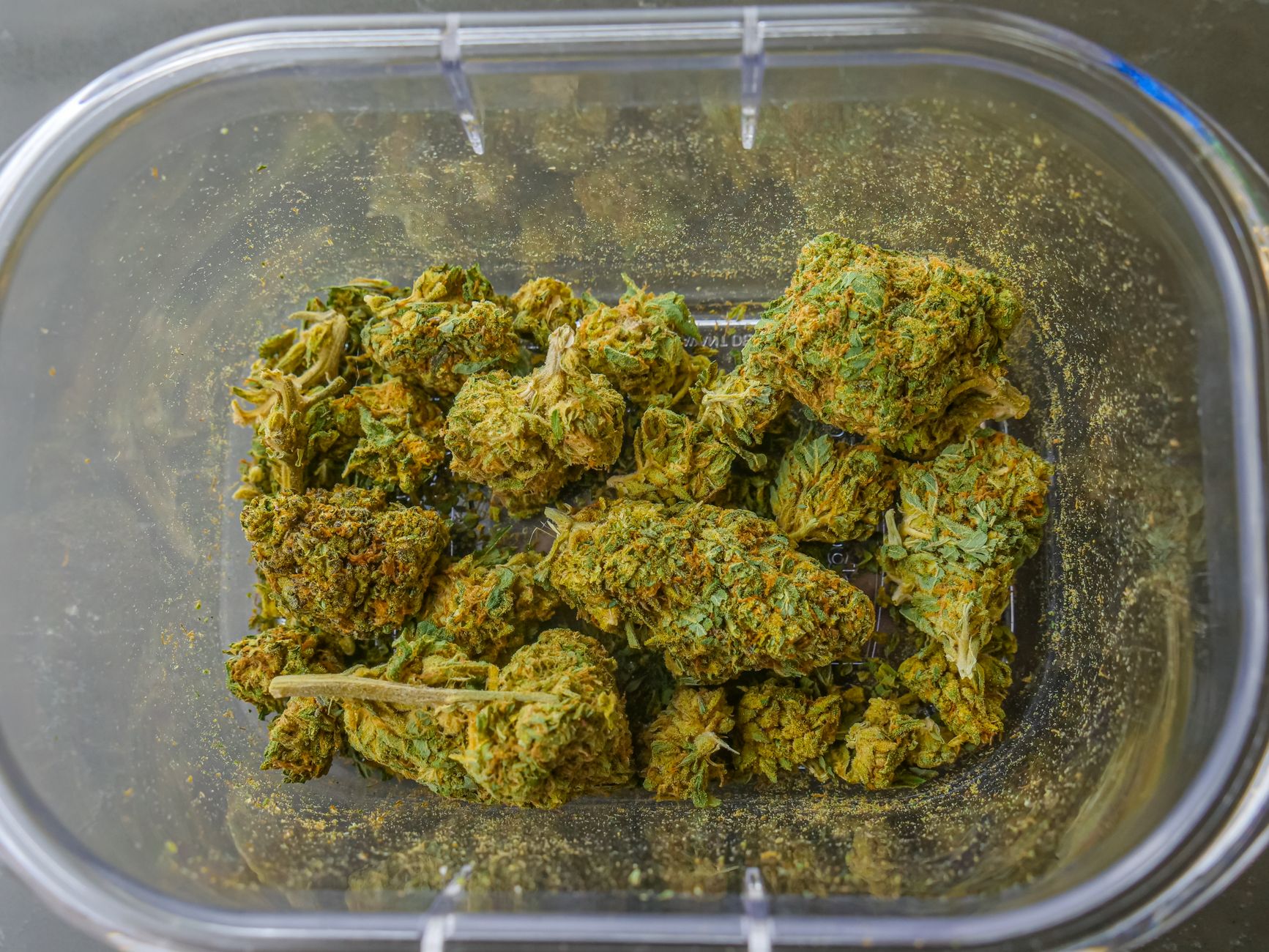
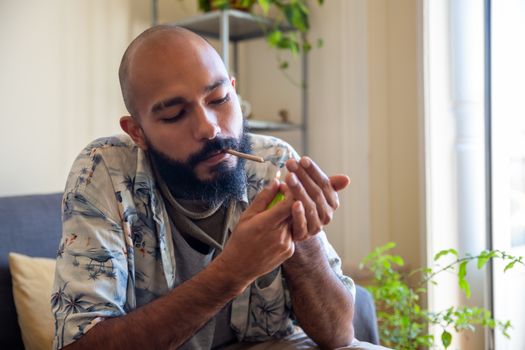 Photo: Kampus Production / Pexels
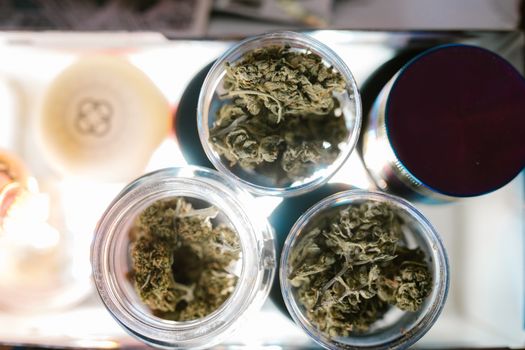 Photo: RDNE Stock project / Pexels
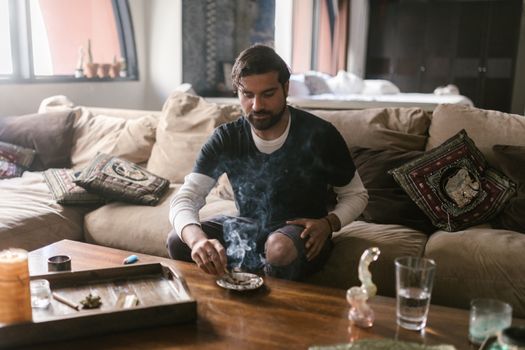 Photo: RDNE Stock project / Pexels
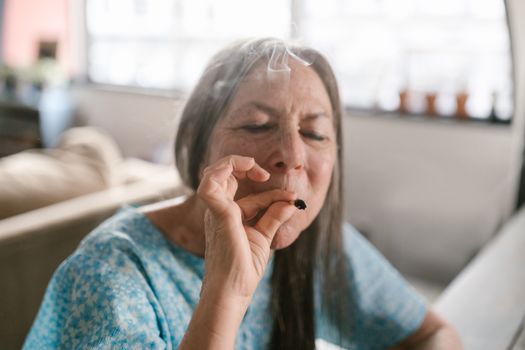 Photo: RDNE Stock project / Pexels