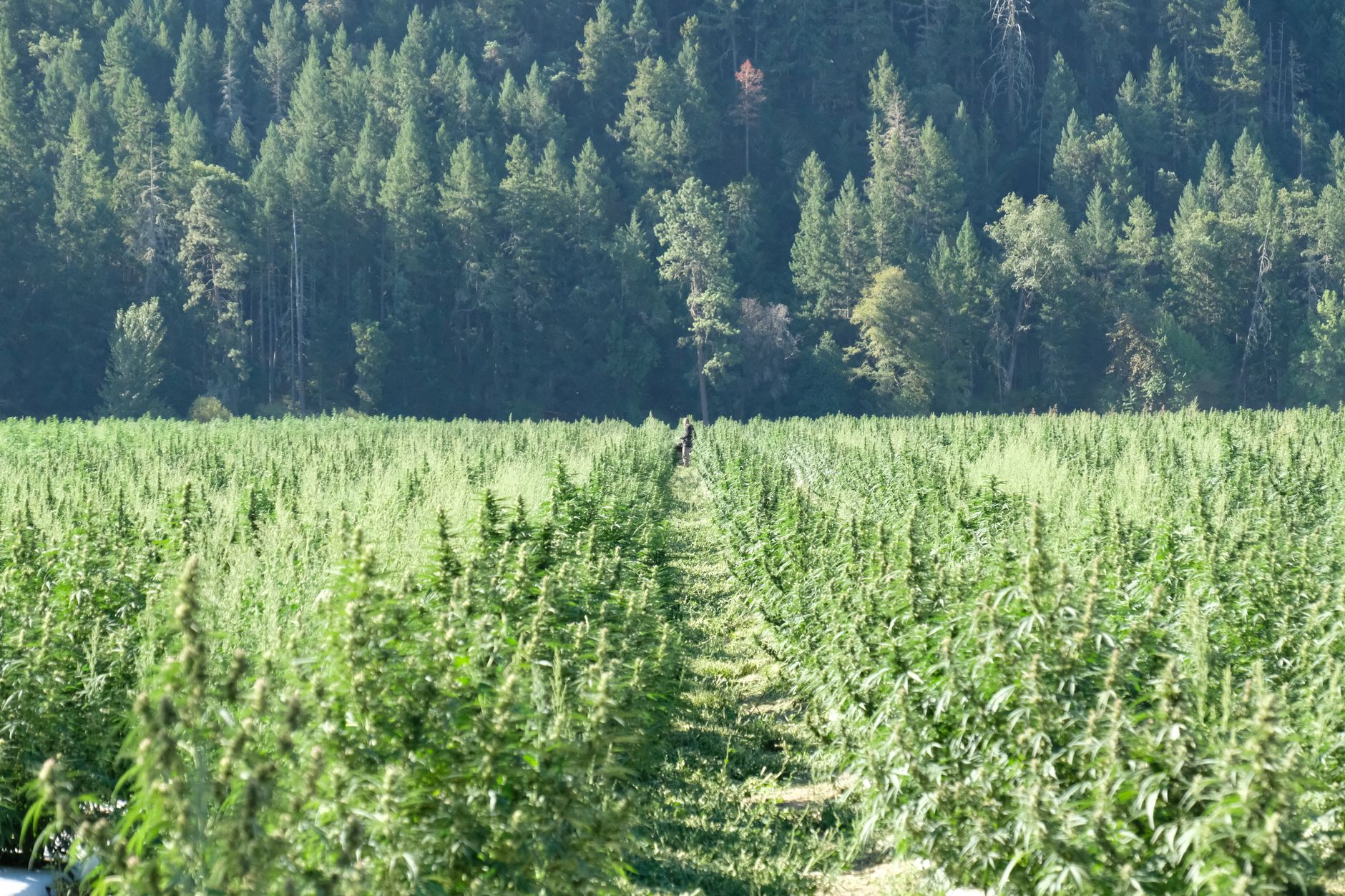
Mastering Wholesale Cannabis California
wholesale cannabis California

Mastering Wholesale Cannabis California

Unlock the secrets to thriving in California's dynamic wholesale cannabis market, from compliance to profitable partnerships.

Start Your Journey

Key Takeaways

  • ✓ California is the largest legal cannabis market in the world.
  • ✓ A valid state license is mandatory for all wholesale transactions.
  • ✓ The supply chain involves cultivation, manufacturing, distribution, and retail.
  • ✓ Compliance with track-and-trace systems (METRC) is crucial for all licensees.

How It Works

1
Obtain Proper Licensing

Secure the necessary state and local licenses for your specific role in the wholesale supply chain, whether cultivation, manufacturing, or distribution. This is the foundational step for legal operation.

2
Source or Cultivate Quality Product

Identify reliable cultivators or manufacturers who meet strict quality and testing standards. If cultivating, ensure your product adheres to all state regulations and market demands.

3
Engage a Licensed Distributor

All cannabis products must pass through a licensed distributor in California. They handle transport, quality assurance, METRC tracking, and often facilitate sales between cultivators/manufacturers and retailers.

4
Market and Sell to Retailers

Build relationships with licensed retailers across California. Showcase your product's unique selling points, pricing, and compliance to secure consistent sales channels.

Navigating the California Cannabis Regulatory Landscape

A collage of American culture with cannabis buds, matchsticks, and Los Angeles imagery on a wooden surface. Photo: RDNE Stock project / Pexels
The landscape of wholesale cannabis in California is arguably the most complex and regulated in the world. For any entity looking to operate within this multi-billion dollar market, a deep understanding of the regulatory framework is not just beneficial, but absolutely essential for survival and success. California's cannabis market is governed by the Department of Cannabis Control (DCC), which oversees all aspects from cultivation to retail. This includes issuing licenses, enforcing regulations, and ensuring compliance with the Medicinal and Adult-Use Cannabis Regulation and Safety Act (MAUCRSA). The sheer volume of regulations can be daunting, encompassing everything from cultivation practices, pesticide use, manufacturing processes, packaging and labeling requirements, to stringent testing protocols and a meticulous track-and-trace system known as METRC. Each license type—cultivation, manufacturing, distribution, testing, and retail—comes with its own specific set of rules and compliance obligations. For wholesale operations, the distributor license is particularly critical, acting as the central hub for all product movement between cultivators, manufacturers, and retailers. Distributors are responsible for quality assurance, compliance checks, tax collection, and ensuring that all products entering the retail market are fully compliant and safe for consumption. This gatekeeper role makes them indispensable to the wholesale supply chain. Understanding the nuances of these regulations, including local ordinances which can vary significantly from county to county and city to city, is paramount. Some municipalities may have outright bans on certain cannabis activities, while others may have specific zoning requirements or additional permitting processes. Ignoring these local rules can lead to severe penalties, including fines, license suspension, or even revocation. Therefore, before embarking on any wholesale cannabis venture in California, a comprehensive legal review and consultation with experienced cannabis attorneys is highly recommended. This proactive approach can help businesses identify potential pitfalls, structure their operations for compliance, and navigate the ever-evolving regulatory environment. Furthermore, staying updated on legislative changes and DCC advisories is a continuous effort, as the regulatory framework is still maturing and subject to frequent amendments. Participation in industry associations and legal seminars can provide invaluable insights and networking opportunities to help businesses remain compliant and competitive in this dynamic market. The investment in understanding and adhering to these regulations is not merely a cost of doing business, but a strategic imperative that safeguards operations and fosters long-term growth in the California cannabis market.

Sourcing and Quality Assurance in Bulk Cannabis
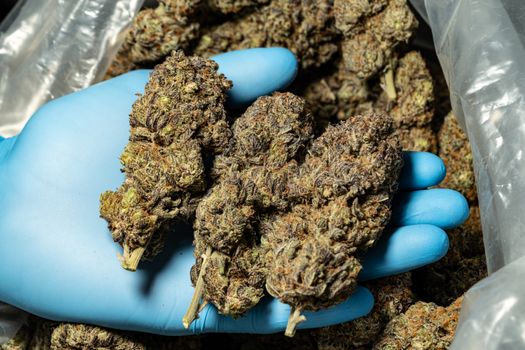
Detailed view of cannabis buds being held in a blue gloved hand, showcasing texture and quality. Photo: Diego Barros / Pexels
In the competitive landscape of wholesale cannabis California, the quality of your product is a primary differentiator and a non-negotiable aspect of long-term success. Sourcing high-quality bulk cannabis requires a rigorous approach to vetting cultivators and manufacturers, ensuring they meet not only regulatory standards but also the discerning expectations of the market. The journey begins with identifying licensed cultivators who employ sustainable and ethical farming practices. This includes understanding their cultivation methods—whether indoor, outdoor, or mixed-light—and their use of pesticides and nutrients. Consumers and retailers are increasingly demanding organically grown or pesticide-free products, making transparency in cultivation practices a significant selling point. Requesting Certificates of Analysis (COAs) from third-party, state-licensed testing labs is an absolute must. These COAs provide crucial data on cannabinoid profiles (THC, CBD, minor cannabinoids), terpene content, and, critically, contaminant screening for pesticides, heavy metals, microbial impurities (mold, mildew, bacteria), and residual solvents. Any reputable cultivator or manufacturer will readily provide these documents, as they are required by the state for all products entering the market. Beyond the lab results, sensory evaluation plays a vital role. This involves assessing the product's aroma, appearance, texture, and overall presentation. For flower, this means vibrant colors, a rich trichome presence, proper curing, and a distinct, desirable terpene profile. For manufactured products like edibles or concentrates, consistency in potency, flavor, and texture is paramount. Establishing strong, transparent relationships with suppliers is key. This involves clear communication regarding product specifications, delivery schedules, and quality expectations. Many successful wholesale operations conduct regular site visits to their cultivators and manufacturers to observe their processes firsthand, ensuring adherence to good manufacturing practices (GMP) and overall operational excellence. Building a diverse network of suppliers can also mitigate risks associated with crop failures, supply chain disruptions, or changes in market demand. Having multiple trusted sources for different strains or product types ensures a consistent inventory flow. Furthermore, understanding market trends and consumer preferences is crucial for effective sourcing. What strains are popular? Are consumers leaning towards high-THC, CBD-rich, or balanced products? Are specific terpene profiles in demand? Aligning your sourcing strategy with these trends ensures that the bulk cannabis you acquire will resonate with retailers and end-consumers, facilitating quicker sales and higher turnover. Investing time and resources into robust sourcing and quality assurance protocols is an investment in your brand's reputation and profitability in the dynamic California wholesale cannabis market. It builds trust with retailers and ultimately, with the end consumer, fostering loyalty and repeat business.

The Indispensable Role of Cannabis Distributors in CA
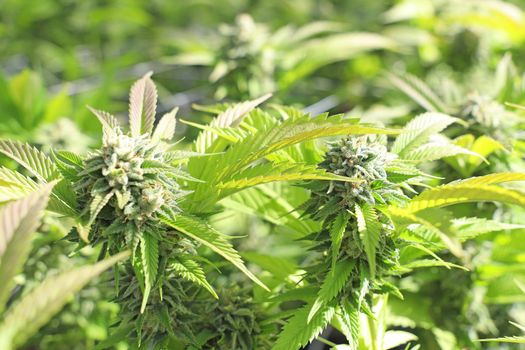
Vibrant close-up of cannabis plants in a sunny California field, showcasing lush leaves and buds. Photo: Cannafornia / Pexels
In the intricate web of California's legal cannabis market, licensed distributors serve as the linchpin, connecting every segment of the supply chain from cultivation to retail. Their role is not merely logistical; it is multi-faceted, regulatory, and absolutely indispensable for any entity involved in wholesale cannabis California. Under California law, all cannabis and cannabis products must pass through a licensed distributor before reaching a licensed retailer. This mandate ensures a centralized point of control for compliance, quality assurance, and tax collection. Distributors are essentially the state's eyes and ears on the ground, verifying that products meet all regulatory requirements before they enter the consumer market. One of the primary responsibilities of a distributor is transportation. They are tasked with securely moving cannabis products from cultivators and manufacturers to retailers, adhering to strict transportation protocols, including manifesting, vehicle requirements, and security measures. This ensures product integrity and prevents diversion into the illicit market. Beyond logistics, distributors play a critical role in quality control and compliance. They are often the last checkpoint before retail, verifying packaging and labeling compliance, ensuring products have passed all required state-mandated lab testing, and reconciling inventory with the METRC track-and-trace system. This meticulous attention to detail is vital for preventing non-compliant products from reaching consumers, which could result in severe penalties for all parties involved. Financial responsibilities are another significant aspect of a distributor's role. They are responsible for collecting cultivation, manufacturing, and excise taxes from cultivators and manufacturers, and remitting these taxes to the state. This makes them a crucial component of California's cannabis tax revenue collection system. For cultivators and manufacturers, partnering with a reliable distributor is paramount. A good distributor acts as a sales and marketing arm, connecting them with a broad network of retailers across the state. They can provide valuable market insights, help with product placement, and facilitate sales negotiations. Conversely, for retailers, distributors offer a streamlined procurement process, providing access to a diverse range of products from multiple cultivators and manufacturers through a single point of contact. This simplifies inventory management and sourcing. Choosing the right distributor involves careful consideration of their reputation, network, efficiency, compliance record, and communication. A strong partnership with a distributor can significantly enhance a business's reach, compliance, and profitability in the competitive California market. They are not just movers of product, but essential partners in building a successful and compliant cannabis business in California.

Common Pitfalls and Best Practices for Wholesale Success

Cannabis leaf on a US hundred dollar bill symbolizing the marijuana economy. Photo: Kindel Media / Pexels
Navigating the wholesale cannabis market in California is fraught with challenges, but understanding common pitfalls and adopting best practices can significantly increase your chances of success. One of the most frequent mistakes businesses make is underestimating the complexity and cost of compliance. The regulatory burden is immense, and failing to adhere to every detail, from licensing renewals to METRC reporting, can lead to costly fines, product seizures, or even license revocation. Best practice: Invest in robust compliance software, hire experienced compliance officers, and regularly audit your processes. Stay informed about all DCC updates and local ordinances. Another significant pitfall is poor inventory management. The cannabis market is dynamic, with fluctuating demand and prices. Overstocking unpopular products or failing to manage perishable inventory (like fresh flower) can lead to significant losses. Conversely, understocking popular items can result in missed sales opportunities. Best practice: Implement sophisticated inventory tracking systems, analyze sales data to predict demand, and maintain strong communication with both suppliers and buyers to optimize stock levels. Cash flow management is a persistent challenge due to banking restrictions and high operational costs. Many businesses struggle with delayed payments from retailers or unexpected expenses. Best practice: Establish clear payment terms with all partners, maintain healthy cash reserves, explore alternative financing options if traditional banking is unavailable, and meticulously track all expenses and revenues. Neglecting marketing and branding is another common error. In a saturated market, simply having a good product isn't enough. Businesses need to differentiate themselves. Best practice: Develop a strong brand identity, invest in professional packaging, engage in targeted marketing efforts (within legal limits), and build relationships through industry events and B2B networking. Lastly, failing to build strong, reliable partnerships can cripple a wholesale operation. Unreliable cultivators, inefficient distributors, or slow-paying retailers can disrupt the entire supply chain. Best practice: Vet all partners thoroughly, establish clear contracts, foster open communication, and prioritize long-term relationships over short-term gains. Regularly evaluate your partners' performance and be prepared to pivot if a relationship isn't serving your business needs. By proactively addressing these challenges and committing to best practices, businesses can carve out a sustainable and profitable niche in the competitive wholesale cannabis California market. Key Best Practices: * **Rigorous Compliance:** Always prioritize state and local regulations. * **Data-Driven Inventory:** Use analytics to manage stock efficiently. * **Robust Financial Planning:** Secure cash flow and manage expenses. * **Strong Branding & Marketing:** Differentiate your products in the market. * **Strategic Partnerships:** Cultivate reliable relationships across the supply chain.

Comparison

FeatureDirect Sourcing (Cultivator to Retailer)Distributor Model (Current CA Law)Broker Model (Pre-Legalization)
Legality in CA✗ (Not allowed for direct sales)✓ (Mandatory for all sales)✗ (Illegal now)
Compliance BurdenHigh for both partiesManaged largely by DistributorNone (Illegal)
Market AccessLimited to direct contactsBroad network via DistributorLimited, underground
Logistics & TransportHandled by individual partiesHandled by DistributorSelf-managed, risky
Quality AssuranceSelf-verifiedVerified by DistributorUnregulated
Tax CollectionDirect, complexHandled by DistributorNone

What Readers Say

"Finding a reliable partner for wholesale cannabis California was a game-changer for our dispensary. Their consistent quality and seamless delivery have significantly boosted our inventory turnover and customer satisfaction."

Sarah J. · Los Angeles, CA

"The insights provided on navigating California's complex cannabis regulations were invaluable. We've streamlined our compliance processes, saving us countless hours and potential fines. Highly recommend for anyone in wholesale cannabis California."

Mark D. · Oakland, CA

"Our cultivation business struggled with distribution until we connected with a recommended partner. Their extensive network and efficient logistics resulted in a 30% increase in our monthly bulk sales within the first quarter."

Jessica L. · Sacramento, CA

"While the market is tough, the strategic advice on sourcing and quality control for wholesale cannabis California helped us refine our product offerings. We've seen a noticeable improvement in customer loyalty, though pricing remains competitive."

David K. · San Diego, CA

"As a manufacturer, understanding the distributor's role was crucial. This guide clarified the process, allowing us to forge better partnerships and expand our product reach across California's wholesale cannabis market effectively."

Emily R. · Santa Rosa, CA

Frequently Asked Questions

What licenses are required to participate in wholesale cannabis California?

To participate legally, you generally need a state license from the Department of Cannabis Control (DCC) for your specific activity (e.g., cultivation, manufacturing, distribution). Additionally, you must secure local permits and licenses from the city or county where your business operates, as local regulations can vary significantly and are mandatory.

Is it possible to sell wholesale cannabis directly from a cultivator to a retailer in California?

No, under current California law, all cannabis and cannabis products must pass through a licensed distributor. Distributors act as the intermediary, handling transport, quality assurance, compliance checks, and tax collection before products can reach a licensed retailer. This ensures regulatory oversight and product integrity.

How do I find reliable wholesale cannabis suppliers or buyers in California?

Networking within the industry at trade shows, conferences, and B2B events is highly effective. Utilizing online wholesale cannabis marketplaces and platforms can also connect you with licensed cultivators, manufacturers, and retailers. Always verify licenses and request Certificates of Analysis (COAs) for product quality and compliance.

What are the typical profit margins for wholesale cannabis in California?

Profit margins in wholesale cannabis can vary widely based on product type, quality, market demand, and operational efficiency. Cultivators and manufacturers typically aim for 20-40% margins, while distributors often operate on a 10-20% margin. High competition and regulatory costs can impact profitability, making strategic pricing and cost management crucial.

How does METRC affect wholesale cannabis operations in California?

METRC (Marijuana Enforcement Tracking Reporting Compliance) is California's mandatory track-and-trace system. All licensed cannabis businesses, including wholesale operations, must use METRC to record every movement of cannabis products from seed to sale. This ensures transparency, prevents diversion, and is critical for maintaining compliance and avoiding penalties.

Who should consider engaging in wholesale cannabis California?

Wholesale cannabis in California is ideal for licensed cultivators looking to move large volumes of product, manufacturers seeking broad market distribution for their processed goods, and entrepreneurs interested in becoming licensed distributors to facilitate the supply chain. It requires significant capital, regulatory expertise, and strong business acumen.

What are the biggest risks associated with wholesale cannabis California?

Key risks include evolving and complex regulations, high operational costs, intense market competition, banking challenges, potential for product loss or theft during transport, and the risk of non-compliance leading to severe penalties. Thorough due diligence and robust risk management strategies are essential to mitigate these challenges.

What future trends might impact wholesale cannabis California?

Future trends include potential federal legalization, which could open interstate commerce; increased consolidation among businesses; a growing emphasis on sustainable and organic cultivation practices; advancements in product innovation (e.g., minor cannabinoids); and continued refinement of regulatory frameworks to streamline operations and enhance market efficiency.

Ready to navigate the exciting yet challenging world of wholesale cannabis in California? By understanding the regulations, building strong partnerships, and prioritizing quality, your business can thrive. Explore the opportunities and secure your position in the Golden State's lucrative cannabis market today.

Topics: wholesale cannabis CaliforniaCalifornia cannabis distributioncannabis wholesale market CAbulk cannabis Californiacannabis licensing California
Leo List

IE Escorts NO Escorts US Escorts NZ Escorts AU Escorts
Brampton weed
Adultwork EstrelaBet Vai de Bet R7 Bet Betão Galera Bet Rainbet Bet9ja Shop SportyBet BetKing Sisal Loto Foot Hollywoodbets YesPlay Odibets RushBet Jugabet BetWarrior BetCity MSport betPawa Fortebet