Mastering Cannabis Packaging California Regulations & Design
cannabis packaging California

Mastering Cannabis Packaging California Regulations & Design

Unlock the secrets to compliant, captivating, and sustainable cannabis packaging in the Golden State, ensuring market success.

Get Your Guide Now

Key Takeaways

  • ✓ California has some of the strictest cannabis packaging regulations in the US.
  • ✓ Child-resistant features are mandatory for all cannabis products.
  • ✓ Packaging must be opaque and tamper-evident.
  • ✓ Sustainability in cannabis packaging is a growing consumer and regulatory demand.

How It Works

1
Understand BCC Regulations

Familiarize yourself with the Bureau of Cannabis Control (BCC) guidelines, including labeling, child-resistance, and material requirements. Ignorance of the law is not an excuse for non-compliance.

2
Design for Compliance & Brand

Integrate all mandatory regulatory elements into your packaging design while simultaneously developing a strong, appealing brand identity. This dual focus is crucial for market penetration.

3
Source Compliant Materials

Work with reputable packaging suppliers who specialize in cannabis and understand California-specific requirements. Ensure all materials meet safety and child-resistant standards.

4
Implement Quality Control

Establish rigorous quality control checks throughout your packaging process, from material receipt to final product sealing. This minimizes errors and ensures ongoing compliance.

The Intricacies of California Cannabis Packaging Regulations

Two cannabis joints placed over a USA map, symbolizing marijuana legalization. Photo: RDNE Stock project / Pexels
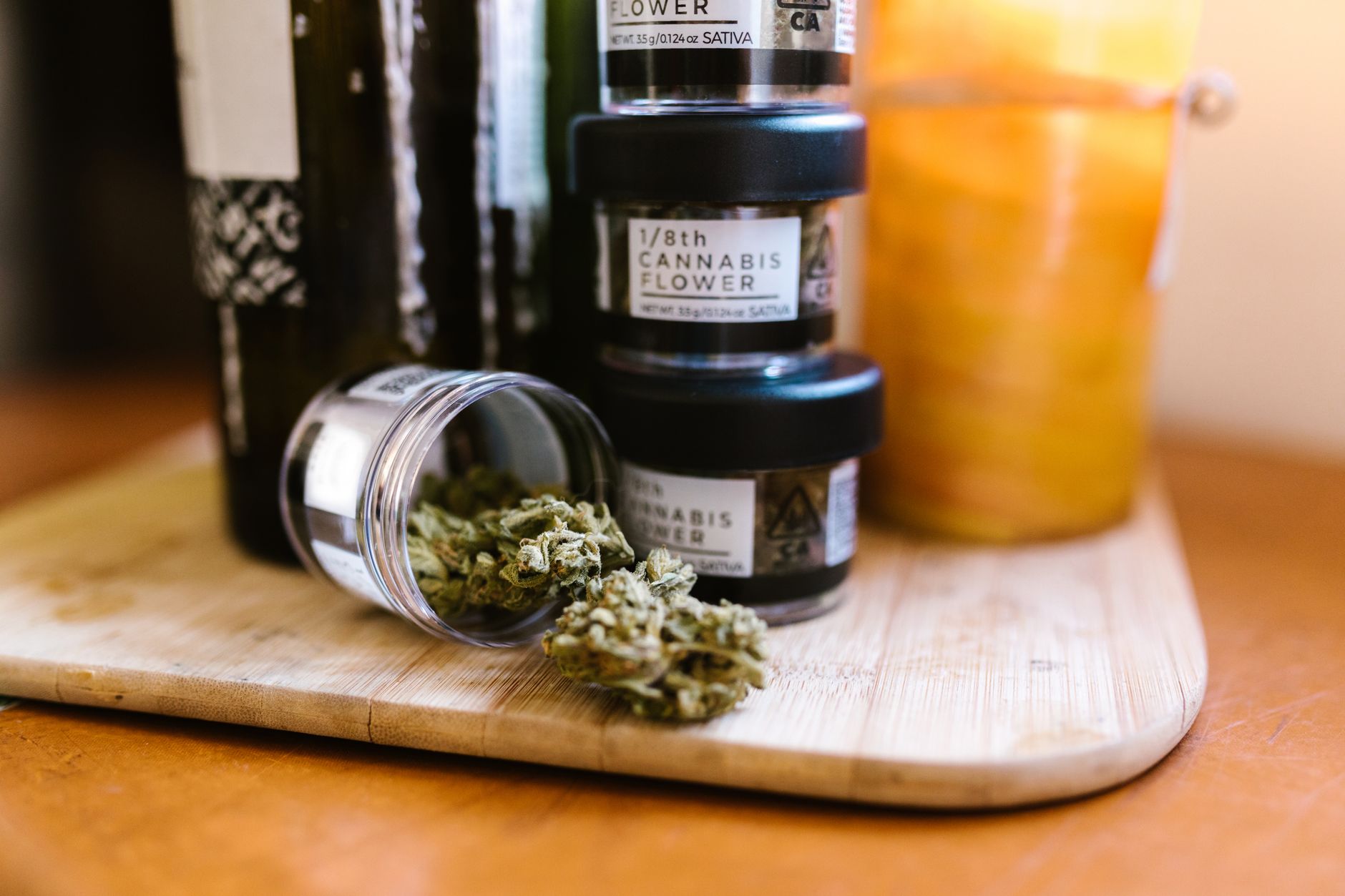
California's adult-use cannabis market, established by Proposition 64, is a behemoth, but with its size comes an intricate web of regulations, particularly concerning cannabis packaging. For any business operating within this dynamic landscape, understanding and meticulously adhering to these rules is not merely good practice; it's the bedrock of legal operation and market survival. The primary regulatory body, the Department of Cannabis Control (DCC), formerly the Bureau of Cannabis Control (BCC), sets forth comprehensive guidelines that dictate everything from child-resistant features to labeling requirements and even the environmental impact of packaging materials. These regulations are designed with consumer safety, public health, and preventing accidental ingestion by minors as paramount concerns. One of the foundational requirements is that all cannabis products must be sold in packaging that is child-resistant. This isn't a suggestion; it's a non-negotiable mandate. The packaging must be certified child-resistant, meaning it has passed specific testing protocols outlined by federal standards (16 CFR Part 1700.20). This often translates to features like squeeze-and-turn caps, push-and-slide mechanisms, or other designs that are difficult for young children to open but accessible for adults. Beyond child-resistance, packaging must also be tamper-evident, ensuring consumers know if a product has been opened or altered before purchase. This protects both the consumer and the integrity of the product. Furthermore, opacity is a critical design element. Packaging for cannabis products cannot be transparent or allow the product to be visible from the outside. This is intended to deter underage curiosity and normalize cannabis as a regulated product, not a recreational candy. The dimensions and materials of packaging are also subject to scrutiny. For instance, single-serving edibles often require specific packaging configurations to prevent accidental overconsumption. The type of material used can also be regulated, especially as California moves towards more sustainable practices. Labeling, however, is where the true complexity often lies. Every piece of cannabis packaging in California must bear a staggering amount of information. This includes, but is not limited to, the universal cannabis symbol, THC and CBD content (in milligrams), net weight, ingredients list, allergens, manufacturer's name and contact information, batch number, date of packaging, and a series of mandatory health warnings. The font size, placement, and clarity of these labels are also specified, leaving very little room for creative interpretation that deviates from compliance. Mislabeling or omitting required information can lead to severe penalties, including product recalls, fines, and even license suspension. Therefore, partnering with experts who specialize in cannabis regulatory compliance is not just an advantage; it's a necessity for navigating this labyrinth of rules and ensuring your cannabis packaging California strategy is robust and legally sound. The evolving nature of these regulations means continuous monitoring and adaptation are essential for long-term success in the Golden State's cannabis market.

Innovative Design & Brand Storytelling in a Regulated Market
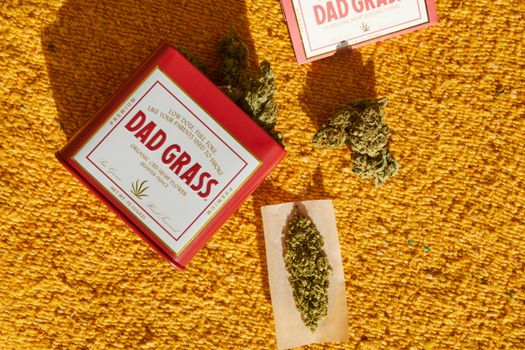
Organic CBD hemp flower package 'Dad Grass' on a colorful rug. Photo: Dad Grass / Pexels
While navigating California's stringent cannabis packaging regulations might seem daunting, it also presents a unique challenge and opportunity for innovative design and powerful brand storytelling. In a market saturated with products, compliant packaging that also stands out on the shelf is a critical differentiator. The limitations imposed by regulations, such as opaque materials and mandatory warnings, force designers to think more creatively about how to convey a brand's essence and product quality within these constraints. This often leads to more sophisticated, artistic, and thoughtful designs that transcend mere functionality. Brand storytelling through packaging in the California cannabis market goes beyond just attractive graphics. It involves communicating the brand's values, the product's unique selling propositions, and even its origin story, all while adhering to legal requirements. For example, a brand focusing on sustainable practices might use recycled materials, minimalist designs, and earthy color palettes to convey its eco-conscious ethos. Another brand specializing in artisanal, small-batch edibles might opt for packaging that evokes a sense of handcrafted luxury, using premium finishes and bespoke illustrations. The tactile experience of opening the package, the quality of the print, and even the scent (if applicable) all contribute to the overall brand narrative. Furthermore, the design must consider the user experience. While child-resistant features are mandatory, they shouldn't be overly frustrating for adult consumers. Intuitive designs that are easy for adults to open and reseal, while still being child-resistant, enhance consumer satisfaction. Clear, concise labeling that effectively presents all required information without overwhelming the consumer is also a hallmark of excellent design. This requires a delicate balance between regulatory compliance and aesthetic appeal. Designers often employ QR codes or augmented reality features to provide additional product information, dosage instructions, or brand stories that cannot fit on the physical label, thus extending the storytelling beyond the physical packaging. The choice of packaging material itself can be a powerful storytelling tool. Glass jars, while heavier, can convey a premium, reusable feel. Recyclable plastics or compostable materials speak to environmental responsibility. Sustainable sourcing of materials is becoming increasingly important to California consumers, who are often environmentally conscious. Brands that transparently communicate their efforts in this area gain a significant advantage. This includes using post-consumer recycled (PCR) content, minimizing waste in production, and designing for recyclability or reusability. Ultimately, successful cannabis packaging design in California is a harmonious blend of art and science, where creativity flourishes within the strict confines of the law, turning regulatory challenges into opportunities for brand distinction and consumer engagement. It's about creating an experience that is both compliant and compelling, transforming a legal necessity into a powerful marketing asset.

Sustainable Solutions for Cannabis Packaging California

Organic CBD hemp flower package 'Dad Grass' on a colorful rug. Photo: Dad Grass / Pexels
As the cannabis industry matures in California, the focus on sustainability in packaging has intensified, driven by both consumer demand and evolving environmental regulations. The sheer volume of packaging generated by the cannabis market, often mandated by strict child-resistant and opaque requirements, has raised concerns about waste. Forward-thinking brands are recognizing that adopting sustainable packaging solutions is not just an ethical choice but a strategic business imperative that resonates deeply with the environmentally conscious California consumer base. This shift involves exploring a range of options, from using recycled materials to designing for reusability and biodegradability. One of the most impactful sustainable solutions is the incorporation of Post-Consumer Recycled (PCR) materials. Using plastics, glass, or paperboard that have been recycled after consumer use reduces the demand for virgin materials and lessens the burden on landfills. Many packaging manufacturers are now offering PCR options for typical cannabis packaging components like jars, tubes, and boxes. While regulatory compliance for child-resistance and opacity must still be met, innovative designs are making it possible to achieve both sustainability and safety. Brands can proudly display their use of PCR content on their packaging, signaling their commitment to environmental stewardship to their customers. Beyond PCR, exploring biodegradable and compostable materials is another frontier. While these options are still developing to meet the rigorous child-resistant standards, advancements in bioplastics derived from renewable resources are promising. Hemp-based packaging, for instance, offers a naturally biodegradable alternative that aligns perfectly with the ethos of the cannabis plant itself. However, ensuring these materials meet all regulatory hurdles for shelf life, product protection, and child-resistance requires careful research and testing. The goal is to minimize the packaging's environmental footprint without compromising product integrity or consumer safety. Designing for reusability is also gaining traction. Some brands are experimenting with durable, attractive packaging that consumers can repurpose after the product is consumed. This could include glass jars suitable for storage, tins that become keepsake boxes, or even refillable systems for certain product types. While refillable systems present their own set of regulatory and logistical challenges (e.g., sanitation, traceability), the concept aligns with a circular economy model and appeals to consumers looking to reduce waste. Furthermore, minimizing excess packaging and optimizing package-to-product ratios are crucial steps. This means avoiding unnecessarily large boxes for small products and designing packaging that is as compact and efficient as possible while still meeting all regulatory requirements. The future of cannabis packaging California is undoubtedly green, demanding continuous innovation and a commitment to reducing environmental impact at every stage of the supply chain.

Common Mistakes and Best Practices in Cannabis Packaging California
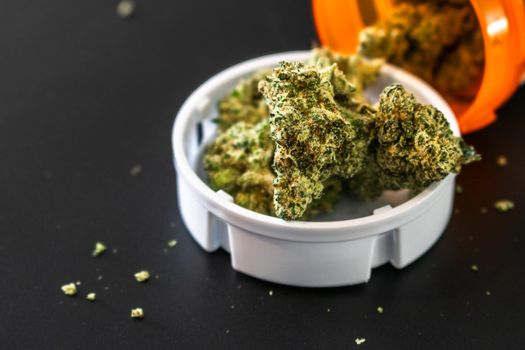
Close-up of cannabis buds spilling from a prescription container, isolated on black background. Photo: Terrance Barksdale / Pexels
Navigating the complexities of cannabis packaging in California means being acutely aware of common pitfalls and implementing robust best practices to ensure compliance and market success. Even well-intentioned businesses can stumble if they don't approach packaging with meticulous attention to detail. **Common Mistakes to Avoid:** * **Underestimating Regulatory Changes:** California's cannabis regulations are dynamic. A common mistake is assuming that yesterday's compliance guarantees today's. Regulations, particularly around labeling and child-resistance, can evolve, requiring constant vigilance and adaptation. Failing to stay updated can lead to costly recalls or fines. * **Neglecting Child-Resistance Certification:** Merely *thinking* your packaging is child-resistant isn't enough. It must be formally certified according to 16 CFR Part 1700.20. Using uncertified packaging is a direct route to non-compliance and product seizure. * **Incomplete or Incorrect Labeling:** This is perhaps the most frequent infraction. Missing a single warning, misstating THC/CBD content, or using the wrong font size for a mandatory element can render an entire batch non-compliant. The universal cannabis symbol, batch numbers, and health warnings are often sources of errors. * **Overlooking Tamper-Evident Features:** Packaging must clearly show if it has been opened. Relying solely on a sticker that can be easily reapplied is not sufficient. Tamper-evident seals, shrink wraps, or induction seals are crucial. * **Non-Opaque Packaging:** Accidentally using packaging that allows the product to be visible, even partially, is a compliance breach. All cannabis products must be in opaque containers. * **Ignoring Sustainable Consumer Demand:** While not always a direct regulatory violation, failing to consider sustainable materials or practices can alienate a significant portion of the California market. Consumers are increasingly looking for brands that align with their environmental values. **Best Practices for Success:** * **Partner with Compliance Experts:** Work with legal counsel and packaging consultants specializing in California cannabis regulations. Their expertise is invaluable in avoiding costly mistakes. * **Source from Reputable Suppliers:** Choose packaging manufacturers with a proven track record in the cannabis industry and a deep understanding of California's specific requirements, including child-resistant certifications. * **Implement Rigorous QA/QC:** Establish thorough quality assurance and quality control checks at every stage of the packaging process, from design approval to final product sealing. This includes verifying all labels, seals, and child-resistant mechanisms. * **Design for Clarity and Compliance:** Integrate regulatory requirements into your design from the outset. Ensure that all mandatory information is clearly legible and correctly placed, while still maintaining brand aesthetics. * **Prioritize Child-Resistance & Tamper-Evidence:** These are non-negotiable safety features. Invest in high-quality, certified child-resistant packaging and robust tamper-evident seals. * **Embrace Sustainable Innovation:** Explore PCR materials, biodegradable options, and design for recyclability or reusability. Communicate your sustainability efforts transparently to consumers. This shows corporate responsibility and enhances brand appeal. * **Stay Informed:** Regularly review updates from the DCC and subscribe to industry newsletters to stay abreast of any changes in packaging regulations. Proactive adaptation is key to long-term compliance and market leadership.

Comparison

FeatureBest Option (PCR Glass Jar)Alternative 1 (PCR Plastic Pouch)Alternative 2 (Compostable Bioplastic)
Child-Resistant CertifiedDeveloping (Limited options)
Opaque Requirement Met
Tamper-Evident CapabilityExcellentGoodGood
Sustainability ScoreHigh (Reusable, Recyclable)Medium (Recyclable)High (Biodegradable)
Premium FeelHighMediumMedium
Cost Efficiency (per unit)MediumHighMedium-High
Product ProtectionExcellentGoodGood

What Readers Say

"Working with a specialist for our cannabis packaging in California was a game-changer. They helped us navigate the complex BCC rules, ensuring every label and child-resistant feature was perfect. Our recent audit went flawlessly, thanks to their expertise."

Sarah J. · Los Angeles, CA

"We were struggling to find sustainable yet compliant packaging. This guide helped us understand PCR options and connected us with a supplier that delivers beautiful, eco-friendly cannabis packaging that meets all California standards. Our customers love it!"

Michael D. · Oakland, CA

"Our brand saw a 15% increase in repeat customers after revamping our cannabis packaging. The new design not only complies with CA laws but also tells our brand story effectively, making our products stand out on crowded dispensary shelves."

Emily R. · San Diego, CA

"The information provided here on cannabis packaging California regulations was incredibly comprehensive. While finding the perfect balance between child-resistance and ease of adult use is still a challenge, the insights helped us make informed design choices."

David L. · Sacramento, CA

"As a new entrant to the California cannabis market, the regulatory landscape for packaging felt overwhelming. This resource broke it down into digestible steps, from mandatory labeling to material selection, making our launch much smoother."

Jessica M. · San Francisco, CA

Frequently Asked Questions

What are the most crucial regulations for cannabis packaging in California?

The most crucial regulations for cannabis packaging in California revolve around child-resistance (certified to 16 CFR Part 1700.20), tamper-evidence, opaque materials, and comprehensive labeling. Labels must include the universal cannabis symbol, THC/CBD content, net weight, ingredients, batch number, and specific health warnings, all clearly legible and correctly placed as per DCC guidelines.

Is child-resistant packaging always required for cannabis products in California?

Yes, child-resistant packaging is absolutely mandatory for all cannabis products sold in California, regardless of the product type (flower, edibles, concentrates, etc.). This is a non-negotiable safety measure designed to prevent accidental ingestion by minors and is strictly enforced by the Department of Cannabis Control (DCC).

How do I ensure my cannabis packaging is compliant with California's labeling laws?

To ensure compliance, meticulously review the DCC's packaging and labeling requirements. Work with a regulatory expert or a packaging supplier experienced in California cannabis. Double-check all mandatory elements like the universal symbol, cannabinoid content, warnings, and batch numbers. Proofread everything, paying attention to font size and placement, and consider using QR codes for additional, non-mandatory information.

What are the costs associated with compliant cannabis packaging in California?

The costs for compliant cannabis packaging in California can vary widely based on material choice, design complexity, order volume, and child-resistant mechanisms. While investing in certified, high-quality packaging might seem more expensive upfront, it's crucial for avoiding costly fines, product recalls, and brand damage due to non-compliance. Sustainable options might have a slightly higher initial cost but offer long-term brand value.

How does California's cannabis packaging compare to other states like Colorado or Oregon?

California's cannabis packaging regulations are generally considered among the most stringent and detailed in the nation, often exceeding those in states like Colorado or Oregon, particularly regarding child-resistance, opacity, and the sheer volume of required label information. While all legal states prioritize safety, California's large market and advanced regulatory framework lead to a higher degree of complexity and specific mandates.

Who should be concerned about cannabis packaging California regulations?

Anyone involved in the California cannabis supply chain who handles packaged products must be concerned: cultivators, manufacturers, distributors, and retailers. Brand owners and product developers bear the primary responsibility for ensuring their packaging meets all regulatory standards before products reach the market. Compliance is a shared responsibility across the entire licensed chain.

What are the risks of non-compliant cannabis packaging in California?

The risks of non-compliant cannabis packaging in California are significant and include hefty fines, product recalls (which can be very costly and damaging to reputation), seizure of products, and even suspension or revocation of your cannabis license. Furthermore, non-compliance can lead to consumer safety issues, legal liabilities, and a loss of consumer trust in your brand.

What future trends are expected in cannabis packaging in California?

Future trends in cannabis packaging in California are likely to focus heavily on increased sustainability, with greater adoption of PCR materials, biodegradables, and reusable designs. We can also expect continued innovation in child-resistant mechanisms that are more adult-friendly, as well as advancements in smart packaging (e.g., QR codes, NFC tags) for enhanced traceability, consumer engagement, and product information.

Mastering cannabis packaging California regulations is not just about avoiding penalties; it's about building a trusted brand. Take the next step towards compliant, innovative, and sustainable packaging solutions that resonate with your target audience and ensure your long-term success in the Golden State's competitive market. Partner with experts and elevate your brand today.

Topics: cannabis packaging CaliforniaCalifornia cannabis lawscannabis packaging designsustainable cannabis packagingchild-resistant packaging CA
Leo List

DK Escorts LU Escorts AT Escorts SE Escorts FI Escorts CH Escorts DE Escorts HR Escorts IE Escorts GR Escorts CZ Escorts NO Escorts BE Escorts FR Escorts SI Escorts IL Escorts NL Escorts PL Escorts HU Escorts ES Escorts IT Escorts PT Escorts SK Escorts RO Escorts ZA Escorts UY Escorts US Escorts UK Escorts NZ Escorts AU Escorts
Brampton weed
Adultwork EstrelaBet Vai de Bet R7 Bet Betão Galera Bet Rainbet Bet9ja Shop SportyBet BetKing Sisal Loto Foot Hollywoodbets YesPlay Odibets RushBet Jugabet BetWarrior BetCity MSport betPawa Fortebet