Decoding THC/CBD on Cannabis Packaging: Your Expert Guide
Decoding THC/CBD on Cannabis Packaging

Decoding THC/CBD on Cannabis Packaging: Your Expert Guide

Master cannabis labels to make informed choices and achieve desired effects safely and effectively.

Read the Full Guide

Key Takeaways

  • ✓ Cannabis packaging in CA is strictly regulated, requiring clear cannabinoid labeling.
  • ✓ THC (Tetrahydrocannabinol) is the primary psychoactive compound, while CBD (Cannabidiol) is non-intoxicating.
  • ✓ Percentages on labels represent the concentration of cannabinoids by weight.
  • ✓ Understanding THC:CBD ratios is crucial for predicting effects and managing experiences.
  • ✓ Total THC/CBD values often account for both active and inactive forms (e.g., THCA, CBDA).

How It Works

1
Locate Cannabinoid Information

Find the clearly marked section on the packaging that details THC, THCA, CBD, and CBDA percentages. This is usually near the weight or strain information.

2
Understand Potency Calculations

Note the distinction between active cannabinoids (THC, CBD) and their acidic precursors (THCA, CBDA). Total potential cannabinoid content is often calculated after decarboxylation.

3
Interpret Ratios and Effects

Analyze the THC:CBD ratio to anticipate the potential effects. High THC, balanced, or CBD-dominant products offer distinct experiences.

4
Consider Other Cannabinoids & Terpenes

Look for information on minor cannabinoids (e.g., CBG, CBN) and terpenes, as these contribute to the 'entourage effect' and overall experience.

The Regulatory Landscape of Cannabis Labeling in California
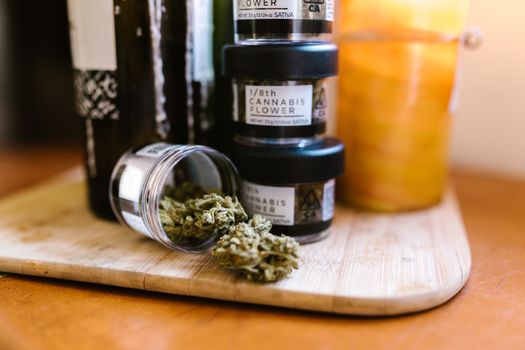
Cannabis buds in glass jars on a wooden board indoors with soft lighting. Photo: RDNE Stock project / Pexels
California's cannabis market is a beacon of innovation and stringent regulation, particularly when it comes to product labeling. Understanding the legal framework governing cannabis packaging is the first crucial step in decoding THC/CBD information. The Bureau of Cannabis Control (BCC), now part of the Department of Cannabis Control (DCC), established comprehensive rules to ensure consumer safety, transparency, and informed purchasing decisions. These regulations dictate not only what information must be present but also how it should be displayed, preventing misleading claims and promoting accurate potency assessments. Every cannabis product sold legally in California, whether it's flower, concentrates, edibles, or topicals, must bear a label that includes specific cannabinoid content. This isn't just about listing THC and CBD; it's about providing a complete picture. Labels are required to show the total concentration of THC and CBD, often expressed as a percentage by weight for flower and concentrates, or in milligrams per serving for edibles. This distinction is vital. For example, a flower product might show 20% Total THC, while an edible might show 10mg THC per serving. Without these clear guidelines, consumers would be left guessing, making it difficult to achieve desired effects or manage potential risks. The regulations also mandate the inclusion of other important details, such as the product's net weight, the harvest date (for flower), manufacturing date, expiration date, and a batch number for traceability. Beyond cannabinoids, some labels voluntarily include terpene profiles, which, while not legally required to the same extent as cannabinoid content, offer valuable insights into a product's potential aroma, flavor, and therapeutic effects. The goal is to empower consumers with enough data to make educated choices, moving beyond anecdotal evidence to a scientific understanding of what they are consuming. Navigating these labels requires a basic understanding of cannabis chemistry and the specific terminology used. The percentages you see aren't just arbitrary numbers; they represent the results of rigorous third-party lab testing, a mandatory step for all legal cannabis products in California. These labs analyze samples for cannabinoid content, terpene profiles, and contaminants like pesticides, heavy metals, and microbial impurities. This commitment to testing underscores California's dedication to consumer safety and product quality. As the market evolves, so too do the labeling requirements, reflecting new scientific understandings and consumer needs. Staying informed about these regulations is paramount for any responsible cannabis consumer in the Golden State. It’s not just about compliance; it's about ensuring a safe, predictable, and enjoyable experience with cannabis products.

Demystifying THC and CBD: Potency, Ratios, and Their Effects
Flat lay of cannabis leaf and 'MEDICINE' spelled with Scrabble tiles on white background. Photo: Alesia Kozik / Pexels
At the heart of cannabis packaging lies the crucial information about THC (Tetrahydrocannabinol) and CBD (Cannabidiol). These two primary cannabinoids are responsible for the majority of cannabis's effects, and understanding their individual roles and how they interact is fundamental to an informed consumption experience. THC is renowned for its psychoactive properties, meaning it's the compound primarily responsible for the 'high' associated with cannabis. It interacts with the body's endocannabinoid system, particularly the CB1 receptors in the brain, leading to euphoria, altered perception, relaxation, and sometimes anxiety or paranoia, depending on the dosage and individual sensitivity. The higher the THC percentage, generally, the more intense the psychoactive effects are likely to be. CBD, in contrast, is non-intoxicating. It doesn't produce the 'high' that THC does. Instead, CBD is celebrated for its potential therapeutic benefits, which include anti-inflammatory properties, pain relief, anxiety reduction, and seizure control. CBD interacts with the endocannabinoid system in a more indirect way, often modulating the effects of THC. This is where the concept of THC:CBD ratios becomes critically important. A product with a high THC content and very little CBD (e.g., 20:0 THC:CBD) will likely produce strong psychoactive effects. Conversely, a product with a high CBD content and low THC (e.g., 1:20 THC:CBD) will emphasize therapeutic effects with minimal or no intoxication. Balanced ratios, such as 1:1 THC:CBD, are often sought after for their synergistic effects, sometimes referred to as the 'entourage effect.' In these products, CBD can temper some of the potential downsides of THC, such as anxiety or rapid heart rate, while still allowing for some psychoactivity and enhancing the overall therapeutic potential. Understanding these ratios empowers consumers to tailor their experience. For a beginner or someone sensitive to THC, a CBD-dominant or balanced product might be preferable. Experienced users seeking potent psychoactive effects might opt for high-THC strains. The percentages on the label are your guide to this balance. It's also important to differentiate between THCA (Tetrahydrocannabinolic acid) and CBDA (Cannabidiolic acid) and their activated forms. Raw cannabis contains these acidic precursors, which are non-intoxicating. It's only when heated, a process called decarboxylation (e.g., smoking, vaping, baking), that THCA converts to active THC and CBDA converts to active CBD. Some labels will show both the acidic and active forms, or a 'Total THC'/'Total CBD' which is typically calculated assuming full decarboxylation. This is why edibles, which are decarboxylated during manufacturing, directly list active THC/CBD in milligrams, while raw flower will often list THCA and the potential total THC. Being able to interpret these nuances allows consumers to accurately gauge the true potency and expected effects of their chosen cannabis product.

You may also find MJ420 Delivery useful.

Beyond the Big Two: Minor Cannabinoids, Terpenes, and the Entourage Effect
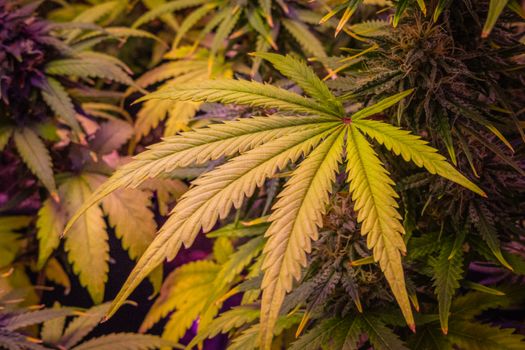
Detailed view of cannabis plant leaves highlighting their lush green texture. Photo: Keloke Grow / Pexels
While THC and CBD dominate the conversation around cannabis, the plant is a complex biochemical factory producing hundreds of other compounds that significantly influence its overall effects. Understanding these 'minor' cannabinoids and terpenes is crucial for truly decoding cannabis packaging and anticipating your experience. Minor cannabinoids, such as CBG (Cannabigerol), CBN (Cannabinol), CBC (Cannabichromene), and THCV (Tetrahydrocannabivarin), are present in smaller quantities but are gaining recognition for their unique properties. CBG, often called the 'mother of all cannabinoids,' is non-psychoactive and is being researched for its potential anti-inflammatory, anti-bacterial, and neuroprotective effects. CBN is a byproduct of THC degradation and is often associated with sedative properties, making it of interest for sleep aids. THCV, found in some sativa strains, may have appetite-suppressing qualities and could potentially modulate THC's psychoactive effects. Terpenes are aromatic compounds found not just in cannabis but throughout the plant kingdom, responsible for the distinct scents and flavors of various plants. In cannabis, terpenes contribute to the characteristic aroma profiles – from the earthy notes of Myrcene to the citrusy zest of Limonene and the piney scent of Pinene. Beyond their sensory appeal, terpenes are believed to interact synergistically with cannabinoids, enhancing or modifying their effects through what is known as the 'entourage effect.' For instance, Myrcene is thought to contribute to the sedative effects of certain indica strains, while Limonene might uplift mood and alleviate stress. Pinene is often associated with alertness and memory retention, and Caryophyllene, a unique terpene that also acts as a cannabinoid, may offer anti-inflammatory benefits. Many high-quality cannabis products, particularly in California, will include terpene profiles on their packaging, sometimes listing the dominant terpenes and their percentages. This information is invaluable for consumers looking to fine-tune their experience beyond just THC and CBD levels. If you're seeking a relaxing evening, a strain high in Myrcene and Linalool might be ideal. For an uplifting, energizing experience, look for products dominant in Limonene and Pinene. The interplay between cannabinoids and terpenes means that two strains with identical THC percentages can produce vastly different effects due to their unique terpene compositions. This holistic view of cannabis chemistry, moving beyond a singular focus on THC, allows for a more nuanced and personalized approach to consumption. By paying attention to these additional details on the packaging, consumers can unlock a deeper understanding of the product's potential and make more informed choices aligned with their desired outcomes.

Common Mistakes and Expert Tips for Interpreting Cannabis Labels

A man sitting indoors holding a cannabis joint, relaxed and thoughtful. Photo: RDNE Stock project / Pexels
Navigating cannabis packaging can be tricky, and even experienced consumers can make common mistakes. Avoiding these pitfalls and applying expert tips can significantly enhance your experience and ensure safe consumption. **Common Mistakes to Avoid:** * **Ignoring 'Total' vs. 'Active' Cannabinoids:** One of the most frequent errors is misinterpreting THCA/CBDA as active THC/CBD, especially with raw flower. Remember that THCA needs heat to convert to psychoactive THC. Always look for 'Total THC' or 'Total CBD' if you want the full potential potency after decarboxylation, or understand that flower percentages often refer to THCA. * **Overlooking Serving Sizes for Edibles:** Edibles are dosed in milligrams per serving, not percentages. A common mistake is consuming an entire edible without checking the per-serving milligram count, leading to an unexpectedly intense experience. Always identify the stated serving size and the total milligrams per package. * **Solely Focusing on THC Percentage:** While THC is a key indicator, fixating solely on its percentage can be misleading. A product with a moderate THC level but a rich terpene profile and a balanced CBD ratio might offer a more enjoyable and effective experience than a super-high THC product lacking these other elements. The entourage effect is real. * **Not Checking Lab Test Dates:** Potency can degrade over time, especially if products are not stored correctly. Always check the harvest or manufacturing date and the lab test date to ensure the product is fresh and the potency information is current. * **Ignoring Other Warnings and Information:** Labels often contain warnings about potential allergens, storage instructions, and responsible use guidelines. Skipping these can lead to unexpected reactions or improper product handling. **Expert Tips for Informed Consumption:** * **Start Low, Go Slow:** Especially with new products or strains, always begin with a low dose and wait to assess the effects before consuming more. This is particularly important for edibles, which can take 30 minutes to 2 hours to take effect. * **Understand Your Tolerance:** Be honest about your own tolerance levels. What works for a friend might be too much for you. Personal experience is the best guide, but start conservatively. * **Research Strains and Terpenes:** If possible, research the specific strain and its dominant terpenes. Websites like Leafly or AllBud offer extensive databases that can help you predict effects based on a strain's known profile. * **Consult Dispensary Staff:** Don't hesitate to ask budtenders for clarification. They are trained to understand the products and can provide personalized recommendations based on your desired effects and experience level. * **Keep a Journal:** For new users or those experimenting, keeping a simple journal can be incredibly helpful. Note the product, THC/CBD percentages, dose, time consumed, and observed effects. This helps you learn what works best for you. * **Check for Compliance Seals:** In California, look for the state-mandated universal symbol for cannabis, indicating that the product has passed regulatory hurdles and testing. By being diligent and informed, you can confidently navigate the world of cannabis packaging and ensure a safe, predictable, and positive experience every time.

Comparison

FeatureHigh THC ProductBalanced THC:CBD ProductHigh CBD Product
PsychoactivityStrongModerateMinimal to None
Primary Use CaseRecreational, intense reliefTherapeutic, mild recreationTherapeutic, wellness
Common Ratio Examples20:1 THC:CBD, 18% THC, 0.5% CBD1:1 THC:CBD, 8% THC, 8% CBD1:20 THC:CBD, 0.5% THC, 10% CBD
Onset of EffectsTypically faster (smoking/vaping)VariedVaried
Potential Side EffectsAnxiety, paranoia, sedationMilder, manageableVery low, mild drowsiness

What Readers Say

"This guide completely changed how I look at cannabis packaging. I used to just grab whatever had the highest THC, but now I understand ratios and terpenes. My experiences are so much more predictable and enjoyable!"

Sarah J. · Los Angeles, CA

"As a medical user, decoding THC/CBD on cannabis packaging is crucial for me. This article explained the 'Total THC' calculation perfectly, which was always confusing. I feel much more confident selecting products now."

Mark D. · San Francisco, CA

"The section on minor cannabinoids and terpenes was a revelation. I started paying attention to them, and it helped me find a strain that perfectly alleviates my migraines without heavy sedation. Concrete results!"

Jessica L. · San Diego, CA

"Very thorough guide, though I wish there were more visual examples of actual CA labels. Still, the breakdown of THC:CBD ratios and the entourage effect was incredibly helpful for a newer user like myself."

Kevin P. · Sacramento, CA

"Before this, I'd often get anxious from high-THC products. Learning to decode THC/CBD on cannabis packaging and opting for balanced ratios has made my recreational use much more pleasant and controlled. Highly recommend!"

Emily R. · Oakland, CA

Frequently Asked Questions

What is the difference between THCA and THC on cannabis packaging?

THCA (Tetrahydrocannabinolic acid) is the acidic, non-intoxicating precursor to THC found in raw cannabis. It only converts to psychoactive THC when heated, a process called decarboxylation. Labels for flower often show THCA, while edibles or concentrates may show 'Total THC' or active THC, which accounts for this conversion.

How do I calculate the total amount of THC in an edible?

Edibles typically list the total milligrams of THC per package and the milligrams per serving. To find the total, multiply the milligrams per serving by the number of servings in the package. Always check both numbers to understand the full potency and avoid overconsumption.

What does a 1:1 THC:CBD ratio mean, and what are its effects?

A 1:1 THC:CBD ratio means the product contains roughly equal amounts of both cannabinoids. This balance is often sought after for a more moderate psychoactive experience, as CBD can temper some of THC's intensity while potentially enhancing therapeutic benefits through the 'entourage effect.' It's often described as a more balanced and less overwhelming high.

Why do some cannabis products cost more despite similar THC percentages?

Price differences can stem from several factors beyond just THC percentage. These include the presence of rare cannabinoids, a rich and desirable terpene profile, organic cultivation practices, premium brand reputation, specific cultivation methods (e.g., indoor vs. outdoor), and the overall quality and care in processing. Higher prices often reflect a more complex or carefully produced product.

How do terpenes influence the effects of THC and CBD?

Terpenes are aromatic compounds that, while not psychoactive themselves, interact with cannabinoids and the body's endocannabinoid system to modify or enhance the overall effects of cannabis. This phenomenon is known as the 'entourage effect.' For example, certain terpenes might promote relaxation, while others can be uplifting or anti-inflammatory, contributing to the unique character and effects of different strains.

Who should pay closest attention to THC:CBD ratios?

Anyone looking for a specific effect or managing potential side effects should pay close attention to THC:CBD ratios. New consumers, individuals sensitive to THC, those seeking therapeutic benefits without significant intoxication, and medical cannabis patients often find specific ratios crucial for achieving desired outcomes and avoiding unwanted experiences like anxiety or paranoia.

Are the THC/CBD percentages on California labels always accurate?

In California, all legal cannabis products must undergo rigorous third-party lab testing, making the THC/CBD percentages generally highly accurate and reliable. These tests check for cannabinoid content, terpenes, and contaminants. However, slight variations within a batch are possible, and potency can degrade over time if products are not stored correctly. Always purchase from licensed dispensaries to ensure tested products.

What future trends can we expect in cannabis packaging and labeling?

Future trends in cannabis packaging and labeling are likely to include even more detailed cannabinoid and terpene profiles, potentially including minor cannabinoids like CBG and CBN as their therapeutic potentials are further understood. We may also see more personalized product recommendations based on individual genetics or desired effects, and increased use of QR codes linking to comprehensive lab results and educational content for greater transparency.

Mastering the art of decoding THC/CBD on cannabis packaging empowers you to make informed decisions and truly personalize your cannabis experience. Take control of your consumption by understanding the numbers, ratios, and compounds on every label. Elevate your cannabis journey today by applying this expert knowledge.

Topics: Decoding THC/CBD on Cannabis Packagingcannabis potency CATHC CBD ratios explainedreading cannabis labelscannabinoid percentages
Leo List

DK Escorts LU Escorts AT Escorts SE Escorts FI Escorts CH Escorts DE Escorts HR Escorts IE Escorts GR Escorts CZ Escorts NO Escorts BE Escorts FR Escorts SI Escorts IL Escorts NL Escorts PL Escorts HU Escorts ES Escorts IT Escorts PT Escorts SK Escorts RO Escorts ZA Escorts UY Escorts US Escorts UK Escorts NZ Escorts AU Escorts
Brampton weed
Adultwork EstrelaBet Vai de Bet R7 Bet Betão Galera Bet Rainbet Bet9ja Shop SportyBet BetKing Sisal Loto Foot Hollywoodbets YesPlay Odibets RushBet Jugabet BetWarrior BetCity MSport betPawa Fortebet