✓ Recreational cannabis is legal for adults 21 and over in California.
✓ Adults can possess up to 28.5 grams of flower and 8 grams of concentrate.
✓ Medical cannabis patients have higher possession and cultivation limits.
✓ Driving under the influence of cannabis is illegal and strictly enforced.
✓ Local jurisdictions can impose additional restrictions on cannabis businesses and activities.
How It Works
1
Understand Personal Use Limits
Familiarize yourself with the maximum amounts of cannabis flower, concentrates, and plants you can legally possess or cultivate for personal use. These limits apply to adults aged 21 and over.
2
Distinguish Medical vs. Recreational
Recognize the differences in regulations for medical cannabis patients, including higher possession limits and potential tax exemptions. A valid medical recommendation is required for patient status.
3
Know Where You Can Consume
Be aware of the designated areas where cannabis consumption is permitted and prohibited. Public consumption, driving under the influence, and use in federally owned spaces are generally illegal.
4
Comply with Commercial Regulations
If engaging in commercial cannabis activities, understand the stringent licensing, cultivation, manufacturing, and retail regulations set by the state and local authorities. Compliance is critical for legal operation.
The Evolution of California Cannabis Regulations
Photo: Josh Hild / Pexels
California has long been at the forefront of cannabis legislation in the United States. The journey began in 1996 with Proposition 215, the Compassionate Use Act, which legalized medical cannabis, making California the first state to do so. This landmark legislation allowed seriously ill patients to obtain and use marijuana for medical purposes with a physician's recommendation. While revolutionary, Prop 215 left many ambiguities, leading to a patchwork of local ordinances and varying interpretations across the state. It set the stage for a complex regulatory landscape that would continue to evolve over the next two decades. The initial framework, though pioneering, lacked comprehensive state-level oversight for cultivation, distribution, and retail, leading to the growth of a largely unregulated medical marijuana industry. This period saw the emergence of numerous dispensaries and delivery services operating under varying degrees of local tolerance, often without clear state guidelines on product testing, packaging, or sales. The lack of a unified regulatory body meant that cities and counties had significant leeway in how they allowed or restricted medical cannabis operations, creating a fragmented market. This early era, while vital for patient access, also highlighted the need for more robust and standardized regulations. Understanding cannabis history is crucial for appreciating the current laws. The next significant leap came in 2016 with the passage of Proposition 64, the Adult Use of Marijuana Act (AUMA). This initiative legalized recreational cannabis for adults 21 and over, fundamentally transforming California's approach to marijuana. Prop 64 established a comprehensive regulatory framework for the cultivation, processing, distribution, and sale of recreational cannabis, building upon the lessons learned from the medical program. It aimed to create a robust, taxed, and regulated market, moving away from the grey areas of the past. The implementation of Prop 64 was a monumental undertaking, requiring the creation of new state agencies and the development of intricate licensing and compliance systems. This included the Bureau of Cannabis Control (now part of the Department of Cannabis Control), the California Department of Food and Agriculture (for cultivation), and the California Department of Public Health (for manufacturing). These agencies were tasked with developing detailed regulations covering everything from seed-to-sale tracking to product safety and labeling. The transition from an unregulated medical market to a highly regulated recreational and medical market has been challenging, marked by ongoing adjustments and refinements to the legal framework. The state continues to balance consumer access, public safety, and economic development, constantly adapting its cannabis laws to address new challenges and opportunities. This continuous evolution underscores the dynamic nature of California's cannabis policy and the commitment to establishing a responsible and thriving industry.
Personal Possession and Cultivation: What's Legal for Adults
Photo: Kindel Media / Pexels
For adults aged 21 and over in California, Proposition 64 outlines specific limits for personal possession and cultivation of cannabis. Understanding these limits is crucial to avoid legal issues. Regarding possession, an adult can legally possess up to 28.5 grams (approximately one ounce) of non-concentrated cannabis, which primarily refers to dried flower. Additionally, adults can possess up to 8 grams of concentrated cannabis. This includes products like oils, waxes, and edibles, where the cannabis has been processed to increase its potency. It's important to note that these limits apply to the total amount an individual possesses, regardless of where or how it was acquired, as long as it was obtained legally from a licensed retailer. These possession limits are designed to allow for personal use while preventing large-scale illicit distribution. For cultivation, adults are permitted to grow up to six living cannabis plants per residence, regardless of the number of adults residing there. This means if multiple adults live in one home, the limit remains six plants for that household, not six plants per individual. The plants must be grown in a locked area, out of public view, and in compliance with any local ordinances. Some local jurisdictions may impose additional restrictions on outdoor cultivation or require specific permits, so it's always advisable to check with your local city or county government. The six-plant limit is intended for personal, non-commercial cultivation. Selling any cannabis grown under these personal cultivation rules is illegal. Furthermore, all cultivated cannabis must remain on the property where it was grown, and transporting large quantities of home-grown cannabis can raise legal questions. While personal cultivation is legal, specific regulations regarding pesticides, water usage, and security must still be adhered to. Any deviation from these rules, such as growing more than six plants, growing in public view, or selling home-grown cannabis, can lead to significant legal penalties, including fines and potential jail time. It's also important to remember that while state law permits these activities, federal law still classifies cannabis as an illegal substance. Therefore, possessing or cultivating cannabis on federal lands, such as national parks or forests, remains strictly prohibited, even in California. This dual legal framework creates a unique challenge for consumers and demands careful adherence to state-specific regulations.
Navigating Public Consumption and Driving Under the Influence
Photo: Kampus Production / Pexels
While California has legalized recreational and medical cannabis, there are strict regulations regarding public consumption and driving under the influence (DUI) of cannabis. These laws are designed to protect public safety and ensure responsible use. Public consumption of cannabis, in any form, is generally prohibited. This includes smoking, vaping, or consuming edibles in public places such as parks, sidewalks, restaurants, bars, and anywhere smoking tobacco is banned. The rationale behind this prohibition is similar to alcohol consumption laws, aiming to prevent public intoxication and maintain order. Violations can result in fines, typically an infraction, but repeated offenses or consumption in sensitive areas (like near schools or youth centers) can lead to more severe penalties. It's also illegal to consume cannabis within 1,000 feet of a school, daycare center, or youth center while children are present. The law aims to prevent exposure to minors and maintain a drug-free environment in places frequented by children. The most critical restriction on consumption involves vehicles. It is illegal to smoke or ingest cannabis while driving a car, passenger, or even as a passenger in a vehicle. This applies to both cannabis flower and concentrates. Open containers of cannabis are also prohibited in a vehicle, similar to open container laws for alcohol. Any cannabis in a vehicle must be in a sealed container or in the trunk, out of the immediate reach of the driver and passengers. This regulation is crucial for preventing impaired driving and ensuring road safety. Driving under the influence of cannabis is a serious offense in California, carrying penalties similar to alcohol DUIs. Law enforcement officers are trained to recognize signs of cannabis impairment, and if pulled over, you may be asked to perform field sobriety tests. While there isn't a universally accepted breathalyzer equivalent for cannabis, blood tests can detect the presence of THC, the psychoactive compound in cannabis. However, the mere presence of THC doesn't automatically mean impairment, as THC can remain in the system for days or weeks. Prosecutors must prove actual impairment at the time of driving. Penalties for cannabis DUI can include significant fines, driver's license suspension, mandatory DUI education programs, and even jail time, especially for repeat offenders. It's imperative to understand that just because cannabis is legal, driving while impaired is not. Always consume responsibly and never operate a vehicle if you feel any effects of cannabis. For more detailed information on responsible use, consider exploring cannabis safety guidelines. The legal framework surrounding public consumption and impaired driving is constantly being refined, and staying informed about these critical aspects of cannabis law is essential for all California residents and visitors.
Understanding Commercial Licensing and Local Ordinances
Photo: Haley Bee / Pexels
The commercial cannabis industry in California is subject to a dual licensing system, requiring both state and local approval to operate legally. This intricate framework ensures a highly regulated market, from cultivation to retail. At the state level, businesses must obtain specific licenses from the Department of Cannabis Control (DCC) for various activities, including cultivation (categorized by size and method), manufacturing (for edibles, concentrates, etc.), testing laboratories, distribution, and retail (storefronts and delivery services). Each license type has its own set of stringent requirements, including detailed operational plans, security measures, environmental compliance, and financial disclosures. The application process is rigorous, designed to ensure that only legitimate and compliant businesses enter the market. State licenses are contingent upon obtaining local approval, making local ordinances a critical component of the regulatory landscape. Local jurisdictions – cities and counties – have significant authority to determine if and how cannabis businesses can operate within their boundaries. This means that even if a state license is theoretically available, a business cannot proceed without local permission. Many cities and counties have opted to ban certain types of cannabis businesses entirely, while others have established their own complex permitting processes, zoning restrictions, and operational requirements. These local ordinances can dictate everything from the number of dispensaries allowed in a given area, setback requirements from schools and parks, operating hours, to specific security protocols. Some jurisdictions have also implemented local taxes on cannabis businesses, adding another layer of compliance for operators. The interaction between state and local regulations can create significant challenges for businesses. A prospective cannabis entrepreneur must first identify a suitable location in a jurisdiction that permits their desired business activity, then navigate the local permitting process, and only then can they apply for a state license. This often involves extensive community engagement, public hearings, and substantial investment in meeting local zoning and operational standards. The fragmented nature of local regulations means that the commercial cannabis landscape varies dramatically from one city or county to another. What is permitted in one jurisdiction might be strictly prohibited just a few miles away. This can lead to market inefficiencies and disparities in access for consumers. For businesses, meticulous research into local ordinances is paramount before making any significant investments. Non-compliance with either state or local regulations can result in severe penalties, including fines, license revocation, and even criminal charges. The dynamic nature of these laws also means that businesses must stay continually updated on any amendments or new regulations at both the state and local levels. The goal of this dual system is to ensure responsible industry growth, public safety, and local control, but it requires diligent adherence from all commercial operators.
"This guide clarified so many questions I had about cannabis laws California. Knowing the exact possession limits and where I can and can't consume is incredibly helpful for staying compliant and enjoying responsibly."
Sarah J. · Los Angeles, CA
★★★★★
"As a medical patient, the distinction between recreational and medical limits was vital. This resource provides a clear breakdown, which is something I've struggled to find elsewhere online."
Mark D. · San Francisco, CA
★★★★★
"I was unsure about home cultivation rules, especially the 'per residence' vs. 'per person' aspect. This article explained it perfectly, helping me avoid potential legal issues with my small garden."
Jessica L. · Sacramento, CA
★★★★★
"The information on local ordinances was really insightful. It highlighted why things vary so much between cities, which is important for both consumers and potential business owners. A good read overall."
David R. · San Diego, CA
★★★★★
"The section on DUIs was a stark reminder of the seriousness of impaired driving. It's easy to forget that while cannabis is legal, the rules of the road absolutely still apply. Very important information for everyone."
Emily C. · Oakland, CA
Frequently Asked Questions
What are the current legal limits for cannabis possession in California for recreational users?
For adults 21 and over, you can legally possess up to 28.5 grams (1 ounce) of non-concentrated cannabis (flower) and up to 8 grams of concentrated cannabis. Exceeding these limits can result in fines or more severe legal consequences.
Can I consume cannabis in public in California?
No, public consumption of cannabis is generally prohibited in California, similar to alcohol. This includes smoking, vaping, or eating edibles in public spaces like parks, sidewalks, and restaurants, as well as within 1,000 feet of schools while children are present.
How many cannabis plants can I grow at home in California?
Adults 21 and over can cultivate up to six living cannabis plants per residence for personal use. These plants must be grown in a locked area, out of public view, and in compliance with any local city or county ordinances.
Are cannabis products taxed in California?
Yes, cannabis products are subject to various taxes in California, including a state excise tax, a cultivation tax (per ounce), and local sales taxes. Medical cannabis patients with a valid state-issued medical marijuana identification card may be exempt from the state sales tax, but still pay excise and cultivation taxes.
Is it legal to drive after consuming cannabis in California?
No, driving under the influence of cannabis is illegal in California and carries penalties similar to those for driving under the influence of alcohol. It is also illegal to have an open container of cannabis in a vehicle or to consume cannabis while operating a vehicle.
Who should be particularly careful about cannabis laws California?
Anyone residing in or visiting California should be aware of these laws. Business owners, medical patients, and those considering home cultivation need to pay extra attention to the specific regulations to ensure full compliance and avoid legal issues. Federal employees and individuals interacting with federal land also have unique considerations.
What are the risks of buying cannabis from an unlicensed source in California?
Purchasing cannabis from unlicensed sources carries significant risks, including potential legal penalties for both the buyer and seller. More importantly, products from unlicensed sources are not tested for pesticides, heavy metals, or potency, posing serious health risks to consumers due to lack of quality control and safety standards.
How might cannabis laws California evolve in the future?
California's cannabis laws are continuously evolving. Future changes might include adjustments to tax rates, expansion of consumption lounges, further refinements to medical cannabis access, and potentially more streamlined local permitting processes as the market matures and data informs policy decisions. Federal rescheduling or legalization would also profoundly impact state laws.
Navigating the dynamic landscape of cannabis laws in California requires continuous attention. By staying informed and adhering to these regulations, you can ensure responsible and legal engagement with cannabis in the Golden State. Bookmark this guide for future reference and share it to help others understand the nuances of California's cannabis framework.
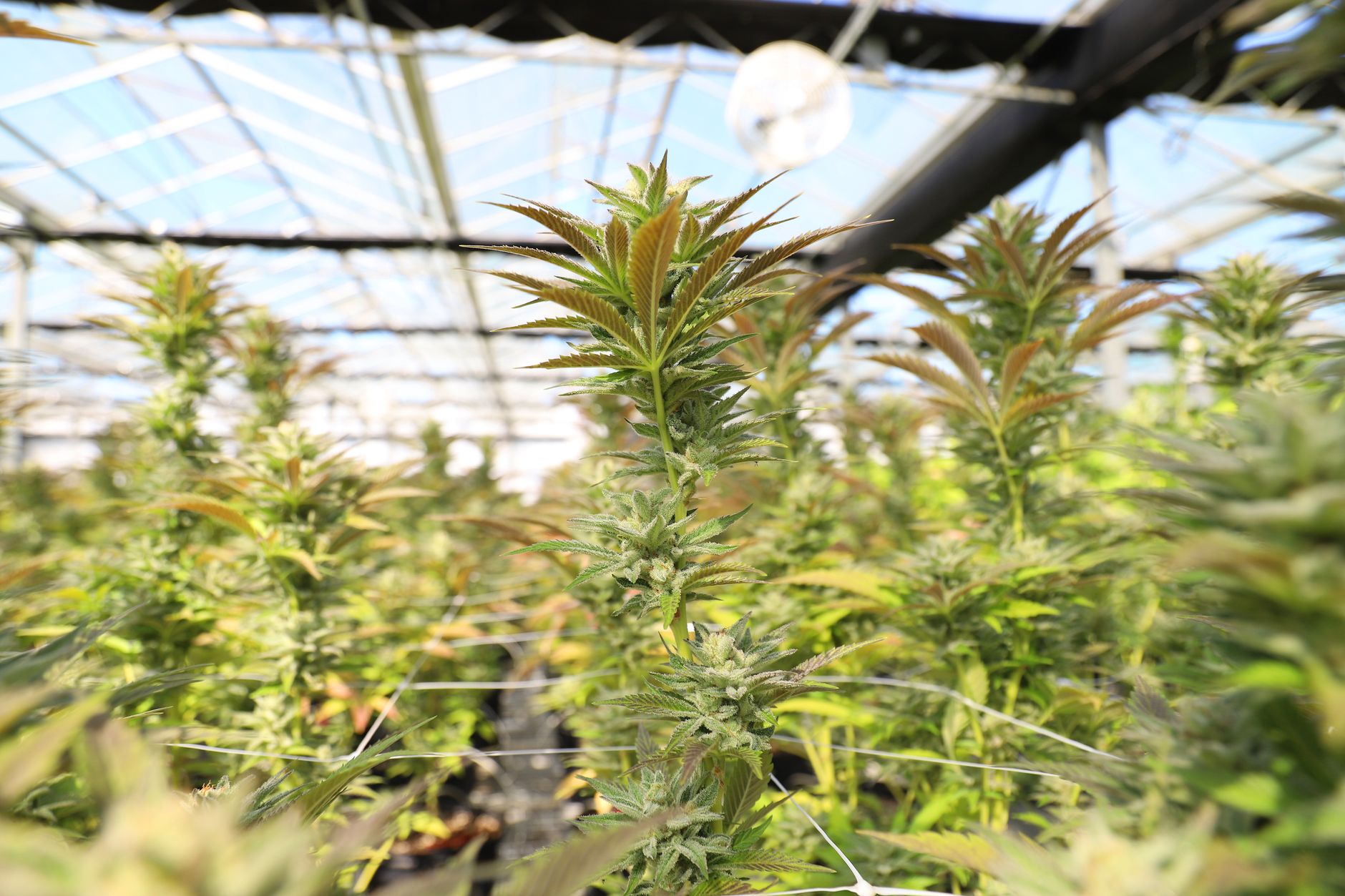
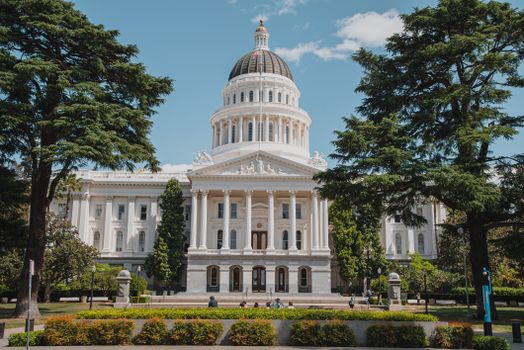 Photo: Josh Hild / Pexels
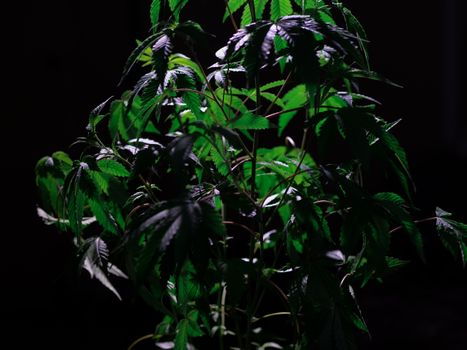 Photo: Kindel Media / Pexels
 Photo: Kampus Production / Pexels
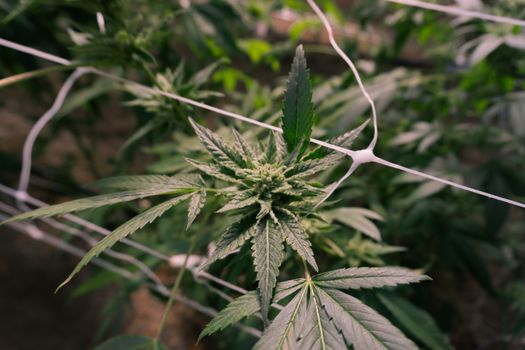 Photo: Haley Bee / Pexels