Navigating Cannabis Laws California 2024: Your Complete Guide
June 23, 2026 13 min read 2,659 words
Demystify California's evolving cannabis landscape with our expert breakdown of current regulations and future trends.
Explore CA Cannabis Laws
Understanding Personal Use & Possession Limits in California
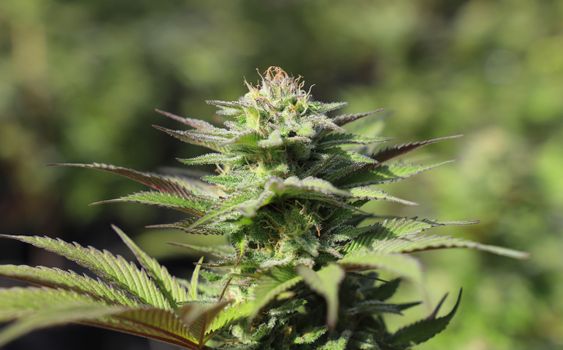 Photo: Cannafornia / Pexels
California has long been at the forefront of cannabis reform, and 2024 continues this trend with a mature, yet complex, regulatory framework. For adults aged 21 and over, recreational cannabis use is legal, a right enshrined by Proposition 64, the Adult Use of Marijuana Act (AUMA), passed in 2016. However, 'legal' does not mean 'unrestricted.' It's crucial for residents and visitors alike to understand the nuances of personal use and possession limits to avoid inadvertent legal issues. The foundational rule allows individuals 21 or older to possess up to 28.5 grams (one ounce) of non-concentrated cannabis, such as dried flower. This limit is fairly standard across recreational states and aims to differentiate personal use from commercial intent. Beyond dried flower, the laws also specify limits for cannabis concentrates. Adults can possess up to 8 grams of concentrated cannabis, which includes products like oils, waxes, and edibles. It's important to remember that the THC content in edibles is often measured in milligrams, not grams, so ensure you're aware of the total concentrate equivalent. Misinterpreting these limits can lead to fines or more severe penalties, depending on the quantity.
Cultivation for personal use is also permitted under California law. Adults can grow up to six cannabis plants per residence, regardless of how many adults live there. These plants must be grown in a locked area, out of public view. This provision is designed to allow individuals to cultivate their own supply while preventing large-scale, unregulated operations. However, local jurisdictions can impose additional reasonable regulations on indoor cultivation and can ban outdoor cultivation entirely. This is a critical point: while statewide law allows for home grows, your specific city or county might have stricter rules, or even prohibit outdoor cultivation. Always check local ordinances before starting a home grow. Consumption of cannabis is another area with strict guidelines. It is illegal to consume cannabis in public places, including sidewalks, parks, and federal lands. This also extends to places where tobacco smoking is prohibited. Furthermore, it is illegal to consume cannabis within 1,000 feet of a school, daycare center, or youth center while children are present. The intent is to protect minors from exposure. Operating a vehicle under the influence of cannabis is strictly prohibited and carries penalties similar to those for alcohol impairment. This means no smoking, vaping, or consuming cannabis edibles while driving or riding in a vehicle as a passenger. Even having an open container of cannabis in a vehicle is illegal, unless it's in the trunk or a sealed package. Understanding these fundamental rules around possession, cultivation, and consumption is the first step in navigating the
complex world of cannabis in California in 2024.
Medical Cannabis: Rights, Recommendations, and Patient Protections
While recreational cannabis has gained widespread acceptance, California's medical cannabis program, established by Proposition 215 in 1996, continues to offer significant benefits and protections for qualified patients. In 2024, the medical program operates alongside the recreational market, providing distinct advantages that are crucial for patients to understand. The primary benefit for medical cannabis patients is the ability to possess higher quantities of cannabis than recreational users. While specific limits can vary based on individual patient needs as recommended by a physician, medical patients generally have more latitude in possession and cultivation. For instance, while recreational users are limited to six plants, medical patients, with a doctor's recommendation, may be authorized to cultivate more, depending on their medical needs. This expanded access ensures that patients with chronic or debilitating conditions have an adequate supply for their treatment.
Another significant advantage for registered medical cannabis patients is sales tax exemption. While recreational cannabis purchases are subject to state sales tax and a cultivation tax, medical cannabis patients with a valid Medical Marijuana Identification Card (MMIC) issued by the California Department of Public Health (CDPH) are exempt from state sales and use taxes on their purchases. This can lead to substantial savings for patients who rely on cannabis for their health and well-being. Obtaining a medical cannabis recommendation typically involves a consultation with a licensed physician who determines if cannabis is an appropriate treatment for a qualifying medical condition. While the list of qualifying conditions is broad, it generally includes chronic pain, cancer, AIDS, glaucoma, spasticity, and other conditions for which cannabis provides relief. Once a recommendation is secured, patients can then apply for the voluntary MMIC through their county's health department. While not strictly required to purchase medical cannabis (a doctor's recommendation alone is often sufficient for dispensaries), the MMIC offers added legal protection and the aforementioned tax benefits.
Patient protections under California's medical cannabis laws are also noteworthy. For instance, employers are generally not required to accommodate medical cannabis use in the workplace, especially if it impairs performance or violates federal law. However, the state has seen ongoing legal challenges and evolving interpretations regarding employee rights. It's a complex area where federal prohibition still clashes with state legalization. Furthermore, medical cannabis patients still face restrictions on consumption in public places, similar to recreational users, and driving under the influence remains illegal. The distinction between medical and recreational cannabis in California in 2024 lies primarily in access, possession limits, tax benefits, and certain legal protections related to patient status. For individuals with genuine medical needs, participating in the medical cannabis program offers a more comprehensive and often more affordable pathway to accessing their medication. Staying informed about your rights and responsibilities as a medical cannabis patient is paramount to leveraging the full benefits of the program.
Navigating Commercial Cannabis Regulations and Licensing in CA
The commercial cannabis market in California is a highly regulated environment, reflecting the state's commitment to consumer safety, product quality, and social equity. For businesses looking to enter or operate within the cannabis industry in 2024, understanding the intricate web of state and local regulations is not just important – it's absolutely essential for survival and success. California's commercial cannabis industry is overseen by several state agencies, primarily the Department of Cannabis Control (DCC). The DCC is responsible for licensing and regulating all commercial cannabis activity, including cultivation, manufacturing, testing, distribution, and retail sales. Each of these activities requires a specific state license, and the application process is rigorous, demanding extensive documentation, strict operational plans, and adherence to environmental and safety standards. For instance, cultivators must comply with stringent regulations regarding pesticide use, water conservation, and waste management. Manufacturers face strict rules on extraction methods, product formulation, and packaging to ensure consumer safety. Distributors act as the crucial link, ensuring products are tracked from cultivation to retail, while testing laboratories provide independent verification of potency and purity. Retailers, both storefront and delivery services, must adhere to strict operating hours, security protocols, and age verification procedures.
Beyond state licensing, local control plays an incredibly significant role in California's commercial cannabis landscape. Cities and counties have the authority to ban commercial cannabis businesses entirely or to establish their own, often more stringent, local ordinances. This means a business cannot simply obtain a state license; it must also secure a local permit or authorization from the municipality where it intends to operate. This dual licensing requirement creates a patchwork of regulations across the state, making it challenging for businesses to navigate. Some cities have embraced the cannabis industry, creating clear pathways for licensing, while others have remained resistant or have implemented moratoriums. Entrepreneurs must conduct thorough due diligence on local regulations before committing to a specific location. Furthermore, California's cannabis laws include provisions for social equity, aiming to address the disproportionate impact of past cannabis prohibition on marginalized communities. Many cities offer expedited licensing or reduced fees for social equity applicants, typically individuals or businesses from communities harmed by the 'War on Drugs.' This is an important aspect of the regulatory framework, designed to foster a more inclusive and equitable industry.
Compliance with track-and-trace systems, such as Metrc, is mandatory for all licensed businesses. This system allows regulators to monitor cannabis products from seed to sale, ensuring product integrity, preventing diversion, and facilitating recalls if necessary. The costs associated with compliance, from licensing fees to security infrastructure and testing, are substantial, contributing to the high barrier to entry for many. As of 2024, the industry continues to evolve, with ongoing discussions about tax reform, interstate commerce, and adjustments to existing regulations. For any entity aspiring to operate legally within California's commercial cannabis sector, a deep understanding of these multi-layered regulations, coupled with robust legal and operational planning, is absolutely non-negotiable.
Staying current with regulatory updates is a continuous process.
Common Mistakes and Best Practices for Cannabis Consumers in CA
Navigating the legal intricacies of cannabis in California, even for personal use, can be challenging. To ensure you remain compliant and enjoy the benefits of legal cannabis without incident, it’s helpful to be aware of common mistakes and adopt best practices.
**Common Mistakes to Avoid:**
* **Consuming in Public:** This is perhaps the most frequent misstep. Despite legalization, consuming cannabis (smoking, vaping, edibles) in public places like streets, parks, or even while walking is illegal. Always consume in private residences or designated consumption lounges where permitted.
* **Driving Under the Influence:** Just like alcohol, driving while impaired by cannabis is illegal and dangerous. Even being a passenger with an open container of cannabis is prohibited unless it's in the trunk or a sealed package.
* **Exceeding Possession Limits:** Carrying more than 28.5 grams of flower or 8 grams of concentrate can lead to fines or arrests. Be mindful of your quantities.
* **Purchasing from Unlicensed Sources:** Buying cannabis from unlicensed dealers or dispensaries is illegal and risky. Unregulated products may contain contaminants or be inaccurately labeled. Always purchase from licensed dispensaries with clear state licensing numbers.
* **Transporting Across State Lines or to Federal Property:** Cannabis remains illegal under federal law. Do not attempt to take cannabis across state lines, even to other legal states, or onto federal lands (national parks, federal buildings).
* **Ignoring Local Ordinances:** California's statewide laws are a baseline. Many cities and counties have additional rules, especially regarding home cultivation (e.g., banning outdoor grows) or the density of dispensaries. Always check local regulations.
**Best Practices for Responsible Consumption:**
* **Know Your Limits:** Start with low doses, especially with edibles, and wait to understand the effects before consuming more. Edibles can take hours to fully manifest their effects.
* **Secure Storage:** Store cannabis in child-proof containers, out of reach of minors and pets. This is a legal requirement for home growers and a best practice for all consumers.
* **Understand Product Labeling:** Licensed products come with detailed labels indicating THC/CBD content, terpenes, and testing information. Read these carefully to make informed choices.
* **Educate Yourself:** Stay informed about changes in
cannabis laws and regulations. The landscape can evolve, and being up-to-date helps ensure compliance.
* **Designate a Driver:** If you plan to consume cannabis, ensure you have a sober driver or use ride-sharing services. Never drive impaired.
* **Respect Public Spaces:** Even where consumption might be technically allowed in private, be considerate of neighbors and public sensibilities regarding odors.
By avoiding these common pitfalls and adopting responsible consumption practices, you can safely and legally enjoy cannabis in California in 2024.
