✓ California has the largest regulated cannabis market in the world.
✓ Cultivation licenses are issued by the Department of Cannabis Control (DCC).
✓ Both state and local permits are required for legal operation.
✓ There are various license types based on canopy size and cultivation method.
How It Works
1
Understand Regulations
Familiarize yourself with both state (DCC) and local city/county cannabis cultivation ordinances. These regulations dictate where and how you can operate.
2
Secure Local Approval
Obtain all necessary local permits and authorizations from your chosen jurisdiction. This often involves zoning approval, conditional use permits, and environmental reviews.
3
Prepare State Application
Compile all required documents for the DCC, including operational plans, environmental impact reports, and proof of local approval. Ensure meticulous attention to detail.
4
Submit & Await Approval
Submit your comprehensive application package to the DCC and pay the associated fees. Be prepared for potential requests for additional information and site inspections.
California's journey to a regulated cannabis market has been complex, evolving significantly since the passage of Proposition 64 in 2016. For anyone aspiring to enter the commercial cannabis cultivation sector, understanding the intricate licensing landscape is the foundational first step. The state operates a dual licensing system, meaning prospective cultivators must secure both a state license from the Department of Cannabis Control (DCC) and a corresponding local permit from their specific city or county. This dual requirement is often the source of significant challenge and confusion for new applicants, as local regulations can vary dramatically from one jurisdiction to another. Some cities are highly welcoming to cannabis businesses, offering clear pathways and support, while others maintain strict prohibitions or impose incredibly stringent requirements. Before investing substantial resources, it is absolutely crucial to research and identify jurisdictions that permit and are open to commercial cannabis cultivation. This initial due diligence will save immense time and money.
The DCC offers a variety of cannabis cultivation license types, categorized primarily by canopy size (e.g., small, medium, large) and cultivation method (e.g., indoor, outdoor, mixed-light, nursery). Each license type carries specific requirements, operational restrictions, and fee structures. For instance, a small indoor cultivator will face different compliance obligations than a large outdoor farm. Additionally, there are specific licenses for nurseries, which propagate and sell cannabis plants and seeds, and for processing facilities that prepare raw cannabis for market. Understanding which license type best fits your business model and operational scale is paramount. The application process itself is notoriously rigorous, demanding comprehensive business plans, detailed operational procedures, environmental impact assessments, and robust security protocols. Successful applicants must demonstrate not only their ability to cultivate cannabis but also their commitment to regulatory compliance, environmental stewardship, and public safety. This rigorous process, while challenging, is designed to ensure a responsible and sustainable cannabis industry in California. It's not just about growing plants; it's about building a legitimate, compliant business within a highly regulated framework. The journey to obtaining a cannabis cultivation license in California is an investment in time, capital, and expertise, but for those who navigate it successfully, the potential rewards in the world's largest legal cannabis market are substantial.
The Essential Steps to Securing Your CA Cultivation Permit
Photo: Manuella Schorchit / Pexels
The path to securing a cannabis cultivation license in California can be broken down into several critical phases, each demanding meticulous attention to detail and strategic planning. The very first and arguably most important step is **local authorization**. Without a local permit or approval, the DCC will not even review your state license application. This means engaging with local city or county planning departments, understanding their specific ordinances, attending public meetings, and often securing a conditional use permit or other local business license tailored for cannabis operations. Local requirements can include everything from zoning compliance and neighborhood compatibility to water usage plans and odor control measures. This phase often involves significant community outreach and can be lengthy, so patience and persistence are key.
Once local approval is in hand, the focus shifts to the **state application with the Department of Cannabis Control (DCC)**. This is where you will provide extensive documentation detailing every aspect of your proposed cultivation operation. Key components of a robust state application typically include: a detailed business organizational chart, proof of property ownership or lease agreements, comprehensive security plans outlining surveillance, access control, and alarm systems, robust inventory control procedures to track cannabis from seed to sale, waste management plans, and environmental compliance documents. For cultivators, this includes demonstrating adherence to California’s strict environmental regulations, such as those related to water diversion, pesticide use, and energy efficiency.
Financial transparency is also a significant element, requiring applicants to disclose sources of capital and demonstrate financial stability. The DCC scrutinizes these applications to ensure that all operators are compliant, responsible, and contribute positively to the regulated market. It’s not uncommon for the DCC to request additional information or clarifications, a process that can add weeks or months to the timeline. Finally, after the application is deemed complete, a **pre-license inspection** may be conducted by DCC representatives to verify that your facility meets all stated requirements and is ready for operation. Only after successfully passing this inspection and fulfilling all conditions will your state cannabis cultivation license California be issued. Engaging legal counsel or a specialized cannabis consulting firm early in this process can prove invaluable, helping to navigate the complexities and avoid common pitfalls.
Understanding License Types and Operational Compliance
Photo: GB The Green Brand / Pexels
California's cannabis cultivation licensing framework is designed to accommodate a wide array of cultivation scales and methodologies, providing specific license types to match diverse business models. These types are primarily differentiated by canopy size and cultivation environment. **Type 1** and **Type 1C** are for small outdoor and indoor cultivators (up to 10,000 sq ft and 5,000 sq ft, respectively), while **Type 2** and **Type 2A** scale up to medium sizes. Larger operations, exceeding these limits, fall under **Type 3** and **Type 3A**. There are also specialized licenses like **Type 5 (nursery)** for propagation, and **Type 11 (distributor)** or **Type 12 (microbusiness)** which can include cultivation as part of a vertically integrated model. Each license type dictates specific cultivation practices, environmental requirements, and security protocols. For instance, indoor cultivators face stringent energy efficiency standards, while outdoor growers must adhere to strict water sourcing and runoff management rules. Understanding which license category aligns with your business plan is critical for long-term operational success and compliance.
Beyond obtaining the license, **operational compliance** is an ongoing, dynamic process that requires constant vigilance. California's track-and-trace system, known as METRC, is a cornerstone of this compliance. Every cannabis plant and product must be meticulously tracked from seed to sale, ensuring transparency and accountability throughout the supply chain. This involves accurate data entry, regular inventory reconciliation, and immediate reporting of any discrepancies. Failure to comply with METRC requirements can lead to severe penalties, including fines and license suspension or revocation. Furthermore, cultivators must adhere to strict packaging and labeling regulations, ensuring products are safe, accurately described, and child-resistant. Pesticide use is another highly regulated area; only pesticides approved by the California Department of Pesticide Regulation (CDPR) for use on cannabis can be applied, and strict application records must be maintained.
Water usage is also under intense scrutiny, particularly in a drought-prone state like California. Cultivators must demonstrate sustainable water sourcing and efficient irrigation practices, often requiring water rights permits or agreements with local water districts. Labor laws, including fair wage practices and safe working conditions, are also strictly enforced within the cannabis industry. Regular audits and inspections by the DCC are part of the operational landscape, ensuring ongoing adherence to all state and local regulations. Staying informed about evolving regulations and proactively implementing best practices for compliance are essential for any cannabis cultivation license California holder to thrive in this complex market. Engaging with industry associations and legal professionals can provide invaluable support in navigating these continuous compliance challenges. Cannabis cultivation in California is not merely farming; it's a highly regulated agricultural enterprise.
Common Pitfalls and Best Practices for Cultivators
Photo: Manuella Schorchit / Pexels
Navigating the California cannabis cultivation licensing and operational landscape is fraught with potential pitfalls. One of the most common mistakes is **underestimating the complexity and cost of local permitting**. Many applicants focus solely on state requirements, only to discover that local jurisdictions have their own extensive, expensive, and time-consuming processes. Failing to secure local approval upfront can halt a project indefinitely. Another frequent error is **inadequate financial planning**. The capital required for licensing fees, facility build-out, operational costs, and maintaining compliance can quickly exceed initial estimates. It's crucial to have a robust financial model that accounts for all contingencies, including legal fees and unexpected delays.
**Lack of thorough documentation** is another significant hurdle. The DCC requires highly detailed operational plans, environmental reports, and security protocols. Any missing or incomplete information will lead to delays and potentially rejection. Many applicants also struggle with **compliance with the METRC track-and-trace system**. Incorrect data entry, delayed reporting, or failure to reconcile inventory can result in hefty fines and operational disruptions. Finally, **ignoring environmental regulations** regarding water usage, waste disposal, and pesticide application can lead to severe penalties and environmental damage.
To avoid these pitfalls, here are some best practices:
* **Start Local First:** Always prioritize securing local permits and understanding local ordinances before even contemplating the state application.
* **Build a Strong Team:** Engage experienced legal counsel, cannabis consultants, and financial advisors from the outset. Their expertise is invaluable.
* **Comprehensive Business Plan:** Develop a detailed business plan that covers all aspects, from cultivation methodology and market strategy to financial projections and exit strategies.
* **Invest in Compliance Infrastructure:** Implement robust systems for security, inventory management (METRC), environmental controls, and quality assurance from day one.
* **Continuous Education:** The regulatory landscape is constantly evolving. Stay informed about changes through industry associations, legal updates, and DCC communications.
* **Contingency Planning:** Always budget for unexpected costs and delays. Have backup plans for everything from equipment failures to regulatory changes.
* **Community Engagement:** Foster positive relationships with local government and community members. This can ease the local permitting process and prevent future issues.
By proactively addressing these areas, cultivators can significantly increase their chances of obtaining and maintaining a successful cannabis cultivation license California.
Comparison
Feature
Small Indoor Cultivator (Type 1A)
Medium Mixed-Light (Type 2B)
Large Outdoor Cultivator (Type 3)
Canopy Size Limit
10,000 sq ft
10,001 - 22,000 sq ft
22,001 sq ft and above
Cultivation Method
Indoor
Mixed-Light (Greenhouse)
Outdoor
Environmental Controls
High (HVAC, lighting)
Moderate (ventilation, supplemental light)
Low (natural light, climate)
Initial Capital Investment
High
Medium-High
Medium-Low
Regulatory Complexity
High
High
High
What Readers Say
★★★★★
"Navigating the cannabis cultivation license California process was overwhelming until I found a consultant who demystified it. Their guidance on local permits and DCC requirements was invaluable, helping me secure my Type 1C license efficiently."
Alex R. · Oakland, CA
★★★★★
"The state and local regulations for our outdoor farm were a maze. With expert advice, we successfully obtained our Type 3 license, ensuring our legacy operation can thrive legally and compliantly in the new market."
Maria S. · Humboldt County, CA
★★★★★
"Our application for a cannabis cultivation license California was initially rejected due to minor errors. After a thorough review and professional revision, we resubmitted and received approval within weeks, saving our business plan."
John D. · Los Angeles, CA
★★★★★
"The process was long and costly, as expected, but ultimately worth it. While the communication from the state could be clearer at times, having a compliant cannabis cultivation license California allows us to operate with peace of mind."
Sarah L. · Santa Barbara, CA
★★★★★
"As a nursery owner, getting my Type 5 cannabis cultivation license California was crucial. The detailed guidance on plant tracking and nursery-specific regulations ensured a smooth application and ongoing compliance for my business."
Kevin M. · Sacramento, CA
Frequently Asked Questions
What is the first step to getting a cannabis cultivation license in California?
The absolute first step is to secure local approval. You must research and obtain all necessary permits and authorizations from the city or county where you intend to cultivate. The Department of Cannabis Control (DCC) will not process your state application without proof of local compliance.
How long does it take to get a cannabis cultivation license in California?
The timeline varies significantly. Local permitting can take anywhere from a few months to over a year, depending on the jurisdiction and complexity. The state application process with the DCC can add another 3-9 months or more, especially if there are requests for additional information. It's a lengthy process requiring patience.
What are the main types of cannabis cultivation licenses in California?
California offers various license types based on canopy size (e.g., small, medium, large) and cultivation method (e.g., indoor, outdoor, mixed-light). There are also specific licenses for nurseries (Type 5) and microbusinesses (Type 12) that include cultivation components. Each has unique requirements.
How much does a California cannabis cultivation license cost?
Costs vary widely. State application and licensing fees depend on your license type and projected gross revenue, ranging from a few thousand to tens of thousands of dollars annually. Local permit fees can also be substantial. Beyond fees, expect significant investments in facility build-out, compliance infrastructure, legal, and consulting services.
Is it possible to get a cannabis cultivation license if I have a criminal record?
The DCC conducts a thorough background check. While certain past convictions, particularly for violent felonies or those related to minors, may disqualify an applicant, many non-violent or older cannabis-related convictions are not necessarily disqualifying due to California's Prop 64 provisions. It's best to consult with a legal professional specializing in cannabis law to assess your specific situation.
Who should apply for a cannabis cultivation license California?
Anyone looking to legally grow cannabis commercially in California must apply. This includes individuals or entities planning to operate indoor grows, outdoor farms, mixed-light greenhouses, or cannabis nurseries. It's for serious entrepreneurs committed to navigating a highly regulated industry.
What are the biggest risks associated with a cannabis cultivation license in California?
Key risks include regulatory non-compliance leading to fines or license revocation, significant upfront capital investment with uncertain returns, market saturation, and evolving local and state regulations. Environmental compliance and water resource management also pose ongoing challenges and risks.
What are the future trends for cannabis cultivation licenses in California?
Future trends point towards increased consolidation within the industry, greater emphasis on sustainable and energy-efficient cultivation practices, and potentially more streamlined but still rigorous licensing processes. Expect continued regulatory refinement and a focus on social equity initiatives to support diverse participation in the market.
Ready to turn your cannabis cultivation dreams into a compliant reality? Secure your cannabis cultivation license California with confidence. Explore our resources and connect with experts today to navigate the complex landscape and build a thriving, legal cannabis business in the Golden State.
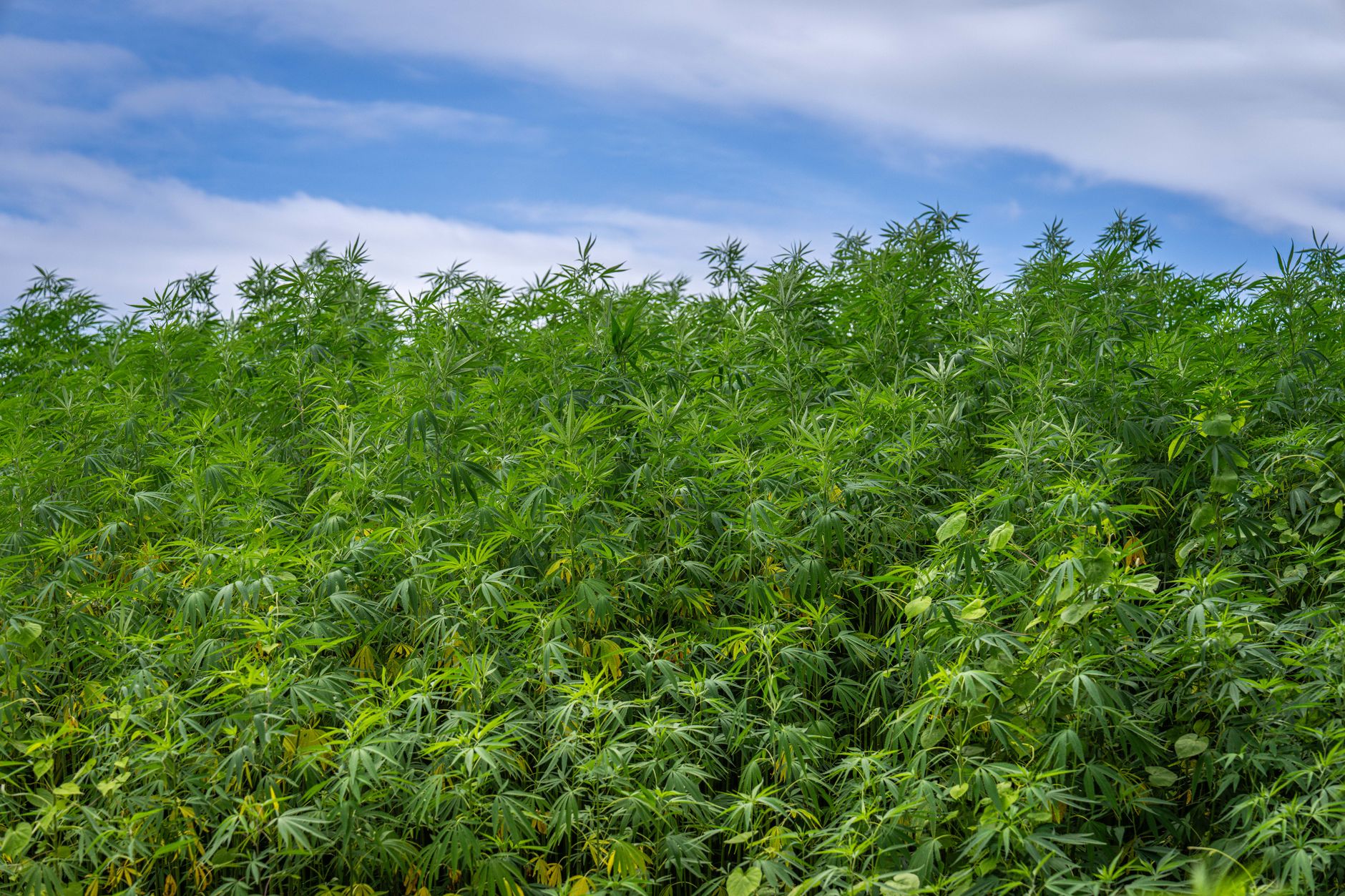
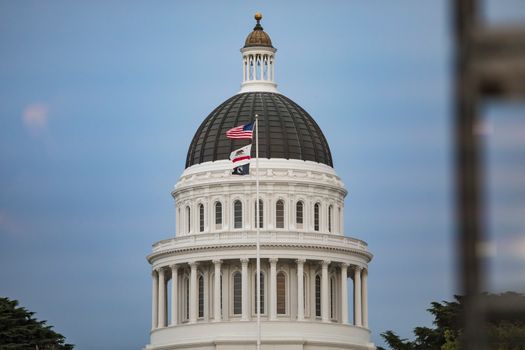 Photo: Stephen Leonardi / Pexels
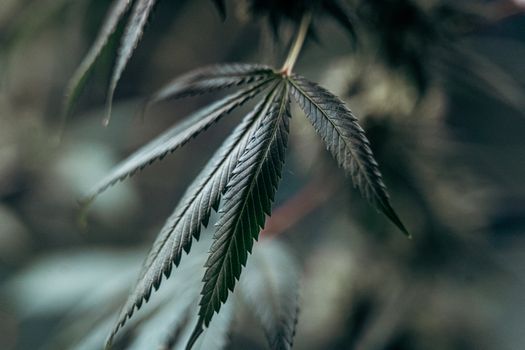 Photo: Manuella Schorchit / Pexels
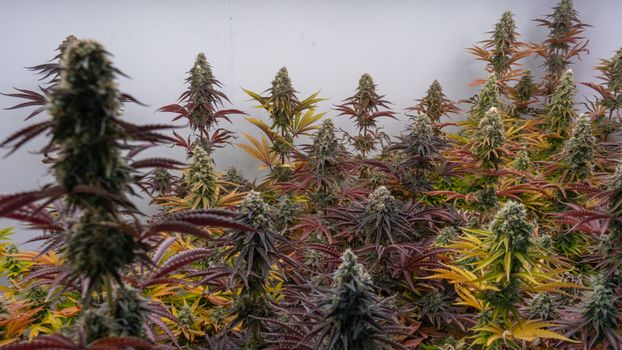 Photo: GB The Green Brand / Pexels