California Cannabis Laws 2024: Your Essential Guide
california cannabis laws 2024

California Cannabis Laws 2024: Your Essential Guide

Understand the evolving legal landscape of cannabis in California for personal use, medical access, and commercial operations.

Explore CA Cannabis Laws

Key Takeaways

  • ✓ Adult-use (recreational) cannabis is legal for those 21+.
  • ✓ Possession limits are 28.5 grams of flower and 8 grams of concentrate.
  • ✓ Medical cannabis patients have higher possession and cultivation limits.
  • ✓ Driving under the influence of cannabis is strictly illegal.
  • ✓ Home cultivation is permitted for up to six mature plants per residence.
  • ✓ Interstate transport of cannabis remains federally illegal.

How It Works

1
Understand Personal Use Limits

Familiarize yourself with the current legal quantities for possession and personal cultivation. This prevents inadvertent violations of state law.

2
Distinguish Medical vs. Adult-Use

Recognize the differences in regulations and benefits for medical cannabis patients versus adult-use consumers. Medical patients often have expanded rights and protections.

3
Comply with Consumption Rules

Learn where you can legally consume cannabis (private property) and where it is prohibited (public places, while driving). Public consumption can lead to fines.

4
Navigate Commercial Licensing

If considering a cannabis business, understand the complex state and local licensing requirements. This multi-layered process demands meticulous attention to detail.

Understanding California's Adult-Use Cannabis Regulations in 2024
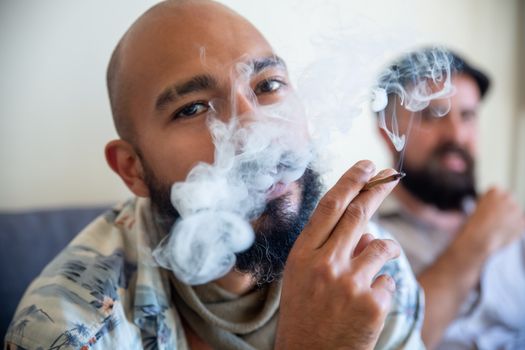
Close-up of a bearded man smoking cannabis indoors with a friend. Photo: Kampus Production / Pexels
California has long been at the forefront of cannabis reform, and 2024 continues this trend with a mature, yet ever-evolving, regulatory framework for adult-use cannabis. Prop 64, passed in 2016, laid the groundwork for recreational marijuana, making it legal for adults 21 and over to possess, consume, and cultivate cannabis for personal use. However, 'legal' doesn't mean 'unregulated.' The state has established clear guidelines to ensure public safety, responsible consumption, and a structured market. For adults, the primary personal possession limit remains 28.5 grams of non-concentrated cannabis (flower) and 8 grams of concentrated cannabis. This applies whether you've purchased it from a licensed dispensary or received it as a gift. It's crucial to remember that gifting is permitted, but selling without a license is strictly prohibited and carries severe penalties. Understanding these possession limits is paramount to staying compliant. Consumption laws are equally important. While legal to possess, cannabis cannot be consumed in public places, including sidewalks, parks, and federal lands. This also extends to places where tobacco smoking is prohibited, such as within 1,000 feet of a school, day care center, or youth center while children are present. The safest and most legal place to consume cannabis is on private property, out of public view, and with the permission of the property owner if you're not the owner. Driving under the influence of cannabis is unequivocally illegal and carries the same serious consequences as driving under the influence of alcohol. Law enforcement is increasingly equipped with tools to detect impaired driving, and the penalties include hefty fines, license suspension, and even jail time. Passengers are also prohibited from consuming cannabis in a vehicle. The intent behind these regulations is to balance individual freedoms with public health and safety concerns, creating an environment where cannabis can be enjoyed responsibly without negatively impacting the wider community. As the industry matures, expect continued enforcement and potential minor adjustments to these rules, reflecting ongoing public discourse and scientific understanding. Staying informed through official state channels is always recommended for the most up-to-date information.

Medical Cannabis Access and Patient Protections in California

Two friends relaxing on a sofa, smoking indoors with atmospheric lighting. Photo: Pavel Danilyuk / Pexels
While adult-use cannabis has garnered significant attention, California's medical cannabis program, established by Prop 215 in 1996, continues to operate with distinct advantages for qualified patients. In 2024, the Compassionate Use Act (CUA) and the Medical Marijuana Program Act (MMPA) still provide a framework that allows patients with specific medical conditions to access cannabis for therapeutic purposes. To qualify, individuals must have a recommendation from a licensed physician for a debilitating medical condition, which can include chronic pain, cancer, AIDS, glaucoma, spasticity, multiple sclerosis, and others. Patients can then apply for a state-issued Medical Marijuana Identification Card (MMIC) through their county health department. While not legally required to purchase medical cannabis, the MMIC offers several benefits. Firstly, MMIC holders are exempt from state sales and use taxes on cannabis purchases, providing a significant financial advantage. Secondly, medical patients, particularly those with a physician's recommendation for higher dosages, often have increased possession and cultivation limits compared to adult-use consumers. While adult-use limits are 28.5 grams of flower and 8 grams of concentrate, medical patients can possess up to 8 ounces of dried cannabis and cultivate up to 6 mature or 12 immature plants, with the possibility of exceeding these limits if a doctor recommends it as medically necessary. These expanded allowances are crucial for patients who require larger quantities for their treatment. Furthermore, medical patients may have stronger legal protections against arrest and prosecution for cannabis-related activities, particularly if they are operating within the scope of their physician's recommendation and state law. However, it's vital to note that these protections do not extend to federal land or across state lines. The distinction between medical and adult-use regulations highlights California's commitment to both recreational freedom and compassionate care, ensuring that those who truly need cannabis for health reasons have robust access and legal safeguards. Understanding the benefits of an MMIC is key for patients.

Navigating Commercial Cannabis Licensing and Compliance in CA
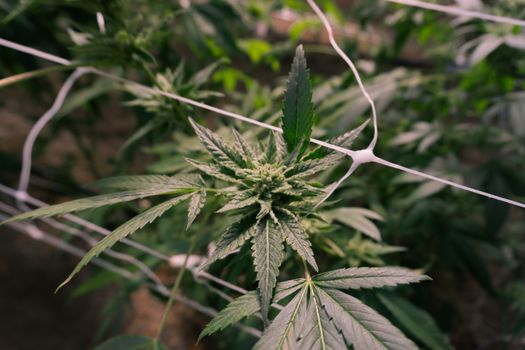
Detailed view of a cannabis plant flowering in an indoor greenhouse. Photo: Haley Bee / Pexels
For businesses looking to enter California's lucrative cannabis market, the regulatory landscape in 2024 is complex, multi-layered, and demanding. Operating a commercial cannabis enterprise requires obtaining both state and local licenses, a dual-licensing structure designed to give local jurisdictions control over cannabis businesses within their boundaries. At the state level, the Department of Cannabis Control (DCC) is the primary regulatory body, overseeing all aspects of the commercial supply chain: cultivation, manufacturing, testing, distribution, and retail. Each license type has its own set of stringent requirements, from environmental impact assessments for cultivators to robust security plans for retailers and strict testing protocols for manufacturers. The application process is notoriously rigorous, demanding detailed business plans, financial disclosures, operational procedures, and compliance with various environmental, health, and safety regulations. Local licensing is often the first hurdle, as many cities and counties have opted out of allowing commercial cannabis activities, or have established their own unique permitting processes, zoning restrictions, and operational requirements. This means a business must first secure local approval before even applying for a state license. The interplay between state and local regulations can be challenging, requiring businesses to meticulously navigate both sets of rules. Compliance extends beyond initial licensing to ongoing operations, including stringent seed-to-sale tracking systems (such as Metrc) to prevent diversion, strict packaging and labeling requirements to inform consumers, and regular audits and inspections. The DCC frequently updates its regulations, often in response to industry feedback, market dynamics, or public safety concerns, making continuous vigilance essential for licensed operators. Penalties for non-compliance can range from fines to license suspension or revocation, highlighting the importance of a robust compliance strategy. For those looking to establish a legitimate cannabis business, understanding this intricate licensing framework is not just advisable, it's absolutely essential for long-term success and avoiding legal pitfalls.

Common Mistakes and Best Practices for Cannabis Consumers in CA
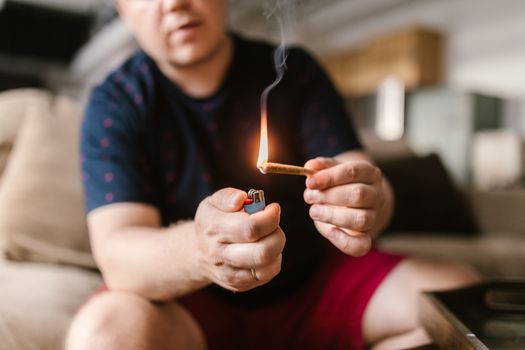
A person lighting a cannabis joint with a lighter, sitting indoors, showing hands closely. Photo: RDNE Stock project / Pexels
Even with widespread legalization, consumers in California can still inadvertently fall afoul of cannabis laws if they're not careful. One of the most common mistakes is consuming cannabis in public. Despite its legal status, public consumption is still prohibited, and this includes sidewalks, parks, and even in a car (whether driving or parked). Always consume on private property where it's permitted. Another frequent error is exceeding possession limits. While 28.5 grams of flower and 8 grams of concentrate seems generous, carrying significantly more, especially without a medical recommendation, can lead to legal issues. Always be aware of how much you're carrying. Driving under the influence (DUI) of cannabis is a serious offense. Many consumers incorrectly believe that because it's legal, driving after consumption is acceptable. This is false. Impaired driving, regardless of the substance, is illegal and dangerous. Never drive after consuming cannabis. Interstate travel with cannabis is another major pitfall. Despite California's laws, cannabis remains federally illegal. This means crossing state lines, even into another legal state, with cannabis is a federal crime. Do not transport cannabis across state borders, even by air or mail. Best practices include purchasing only from licensed dispensaries. This ensures products are tested for contaminants and accurately labeled, protecting your health and ensuring you're supporting the legal market. Always keep cannabis in its original, child-resistant packaging when transporting it. Store cannabis securely at home, out of reach of children and pets. Educate yourself on the various product types and their effects to consume responsibly. Finally, if you're a medical patient, always carry your MMIC or physician's recommendation to benefit from the expanded legal protections and tax exemptions. Being a responsible and informed consumer is the best way to navigate California's cannabis landscape safely and legally. **Key Best Practices:** * Consume only on private property. * Stay within legal possession limits. * Never drive under the influence. * Do not cross state lines with cannabis. * Purchase from licensed dispensaries. * Store cannabis safely and securely.

Comparison

FeatureAdult-Use (21+)Medical Patient (MMIC)Unlicensed Sale
Possession Limit (Flower)28.5 grams8 ounces (standard)Illegal
Possession Limit (Concentrate)8 grams8 grams (standard)Illegal
Home Cultivation6 plants/residence6 mature/12 immature plants (standard)Illegal
Public Consumption
Tax Exemption
Interstate Transport
Legal Purchase Age2118 (with recommendation)N/A (Illegal)

What Readers Say

"This guide to California cannabis laws 2024 was incredibly helpful! It clarified all my questions about possession limits and where I can legally consume. Much appreciated."

Sarah J. · Los Angeles, CA

"As a medical patient, I found the section on MMIC benefits and expanded limits very useful. It's good to know my rights and how they differ from recreational users."

Mark D. · San Francisco, CA

"The breakdown of commercial licensing for California cannabis laws 2024 was exactly what I needed. It highlighted the complexities I need to prepare for in starting my business."

Emily R. · San Diego, CA

"Very thorough article on California cannabis laws 2024. While mostly clear, a bit more on specific local ordinances would be a great addition, but it's a solid overview."

David L. · Sacramento, CA

"The tips on common mistakes were eye-opening. I hadn't fully realized the strictness around public consumption or interstate travel. This article truly helped me avoid potential issues with California cannabis laws 2024."

Jessica M. · Oakland, CA

Frequently Asked Questions

What are the legal possession limits for cannabis in California for adults 21+?

For adults 21 and over, the legal possession limits in California are 28.5 grams (approximately one ounce) of non-concentrated cannabis (flower) and 8 grams of concentrated cannabis. Exceeding these limits without a valid medical recommendation can lead to legal penalties.

Can I consume cannabis in public places in California?

No, consuming cannabis in public places is strictly prohibited in California, even though it is legal to possess. This includes parks, sidewalks, restaurants, and federal lands. Consumption should be limited to private property, out of public view, and with the property owner's permission.

How do I get a Medical Marijuana Identification Card (MMIC) in California?

To obtain an MMIC, you first need a recommendation from a licensed physician stating you have a qualifying medical condition. Then, you can apply through your county's health department, providing your physician's recommendation, proof of residency, and a valid ID. The MMIC offers tax exemptions and often higher possession limits.

What are the costs associated with commercial cannabis licensing in California?

The costs for commercial cannabis licensing in California vary significantly based on the license type (e.g., cultivation, manufacturing, retail) and local jurisdiction. State application and licensing fees can range from a few hundred to tens of thousands of dollars annually, in addition to potentially substantial local permit fees and operational compliance costs.

Is it legal to transport cannabis across state lines from California?

No, it is not legal to transport cannabis across state lines, even if both states have legalized cannabis. Cannabis remains federally illegal, and federal law governs interstate commerce. Transporting cannabis across state borders, whether by car, plane, or mail, can result in serious federal charges.

Who should be most concerned about California cannabis laws 2024?

Anyone living in, visiting, or doing business in California should be concerned about understanding California cannabis laws 2024. This includes adult consumers to ensure compliance, medical patients to maximize their benefits, and especially entrepreneurs navigating the complex commercial licensing and operational requirements.

Are there any risks associated with home cultivation of cannabis in California?

While home cultivation of up to six plants per residence is legal for adults 21+, risks exist. These include potential fire hazards from improper electrical setups, pest or mold issues, and the risk of theft. Ensure your cultivation adheres to all local ordinances and safety guidelines to mitigate these risks.

What future changes might impact California cannabis laws in the coming years?

Future changes to California cannabis laws could include adjustments to tax structures, further consolidation or expansion of license types, and potentially increased enforcement around unlicensed operations. Discussions also continue around federal decriminalization or legalization, which would significantly impact state-level regulations and interstate commerce.

Stay informed and compliant with California cannabis laws 2024. Whether you're a consumer, patient, or business owner, understanding these regulations is key to navigating the state's evolving cannabis landscape successfully and responsibly. Bookmark this guide for future reference and peace of mind.

Topics: california cannabis laws 2024CA cannabis regulationsrecreational cannabis Californiamedical marijuana Californiacannabis business laws CA
Leo List
Brampton weed
Adultwork